Hey there! As a supplier of Bonnet Gas Struts, I often get asked about one crucial thing: what's the weight capacity of these bad boys? Well, let's dive right into it and break down everything you need to know.
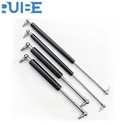
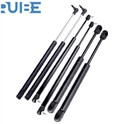
First off, Bonnet Gas Struts, also known as Bonnet Gas Spring, are pretty nifty devices. They're used in a whole bunch of applications, from car bonnets to industrial machinery. Their main job is to provide support and help in smoothly opening and closing heavy objects.
So, what determines the weight capacity of Bonnet Gas Struts? There are a few key factors at play here.
Design and Construction
The way a Bonnet Gas Strut is designed and built has a huge impact on its weight - handling ability. The diameter of the piston rod and the cylinder are important. A larger piston rod and cylinder generally mean a higher weight capacity. Why? Well, a bigger piston rod can handle more force without bending or breaking, and a larger cylinder can hold more gas, which provides more pressure to support the load.
For example, if you've got a strut with a thin piston rod and a small - sized cylinder, it's not going to be able to handle as much weight as one with a thick piston rod and a large cylinder. It's like comparing a thin stick to a thick pole when it comes to holding up something heavy.
Gas Pressure
The gas inside the Bonnet Gas Strut is what gives it the power to support weight. The higher the gas pressure, the more weight the strut can handle. When you compress the strut, the gas gets compressed too, and this creates a force that pushes back against the load.
Manufacturers can adjust the gas pressure during the production process to meet different weight - capacity requirements. So, if you need a strut for a really heavy bonnet or a large industrial door, they can pump in more gas to increase the pressure and, in turn, the weight capacity.
Mounting and Installation
How you mount and install the Bonnet Gas Strut also matters. If it's not installed correctly, it might not be able to support the weight as effectively as it should. The angle at which the strut is mounted, the distance between the mounting points, and the way it's attached to the object all play a role.
For instance, if the strut is mounted at the wrong angle, it might not be able to exert its full force in the right direction. This can lead to a reduced weight - handling capacity and even cause premature wear and tear on the strut.


Different Weight Capacities for Different Applications
Bonnet Gas Struts come in a wide range of weight capacities to suit various applications.
Automotive Use
In the automotive world, bonnets can vary in weight depending on the make and model of the car. Smaller cars usually have lighter bonnets, so they can get away with using Bonnet Gas Struts with a lower weight capacity, say around 10 - 20 kilograms.
On the other hand, larger vehicles like SUVs or trucks often have heavier bonnets. These might require struts with a weight capacity of 30 - 50 kilograms or even more. The right weight - capacity strut ensures that the bonnet opens and closes smoothly and stays securely in place when open.
Industrial Applications
In industrial settings, Bonnet Gas Struts are used for all sorts of things, like opening and closing heavy machine covers or access panels. These applications often need struts with much higher weight capacities. You might see struts with weight capacities ranging from 50 kilograms up to several hundred kilograms, depending on the size and weight of the object they're supporting.
How to Choose the Right Weight Capacity
Now that you know what affects the weight capacity of Bonnet Gas Struts, how do you choose the right one for your needs?
First, you need to figure out the weight of the object you want to support. If it's a car bonnet, you can check the vehicle's manual or look up the specifications online. For industrial applications, you might need to weigh the object using a scale or estimate its weight based on its size and material.
Once you know the weight, you should choose a Bonnet Gas Strut with a weight capacity that's slightly higher than the actual weight of the object. This gives you a safety margin and ensures that the strut can handle the load without being over - stressed.
For example, if your car bonnet weighs 15 kilograms, it's a good idea to choose a strut with a weight capacity of 20 kilograms. This way, the strut won't be working at its maximum capacity all the time, which can extend its lifespan.
Other Considerations
Apart from weight capacity, there are a few other things to keep in mind when choosing Bonnet Gas Struts.
Durability
You want a strut that's going to last. Look for ones made from high - quality materials, like stainless steel or aluminum. These materials are resistant to corrosion and can withstand the wear and tear of regular use.
Smooth Operation
A good Bonnet Gas Strut should provide smooth opening and closing. It shouldn't be too stiff or too loose. You can look for struts with features like a well - designed valve system that ensures a consistent flow of gas and smooth movement.
Compatibility
Make sure the strut you choose is compatible with your application. Check the mounting dimensions, the length of the strut when fully extended and compressed, and the type of end fittings. You don't want to end up with a strut that doesn't fit properly.
Related Products
If you're interested in gas struts, you might also want to check out Gas Spring for Furniture. These are similar in principle but are designed specifically for furniture applications, like recliners, cabinets, and desks. They usually have lower weight capacities compared to Bonnet Gas Struts but are still very useful for providing smooth movement and support.
Conclusion
So, there you have it! The weight capacity of Bonnet Gas Struts depends on factors like design, gas pressure, and installation. By understanding these factors, you can choose the right strut for your needs, whether it's for your car bonnet or an industrial application.
If you're in the market for Bonnet Gas Struts and need help choosing the right weight capacity or have any other questions, don't hesitate to reach out. We're here to assist you in finding the perfect solution for your requirements. Let's start a conversation about your project and see how we can help you get the best Bonnet Gas Struts for your needs.
References
- Engineering textbooks on mechanical design
- Industry standards and guidelines for gas struts
- Manufacturer's product documentation and technical specifications