As a supplier of Bonnet Gas Struts, I am often asked about the safety standards these products meet. In this blog post, I will delve into the safety aspects of Bonnet Gas Struts, exploring the standards they are expected to adhere to and how our products measure up.
Understanding Bonnet Gas Struts
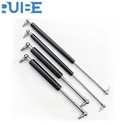
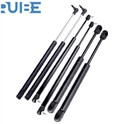
Bonnet Gas Struts are essential components in many vehicles, used to support the bonnet (hood) in an open position. They work by using compressed gas to provide a smooth and controlled lifting and lowering motion. These struts are designed to withstand various environmental conditions and mechanical stresses, ensuring reliable performance over time.
Safety Standards for Bonnet Gas Struts
Safety standards for automotive components, including Bonnet Gas Struts, are crucial to protect both the vehicle occupants and other road users. There are several international and national standards that govern the design, manufacturing, and testing of these products.
One of the most well - known standards is the ISO (International Organization for Standardization) series. ISO standards provide a framework for quality management and safety in manufacturing. For Bonnet Gas Struts, ISO standards may cover aspects such as material quality, pressure resistance, and durability. For example, ISO 14001 focuses on environmental management, which is relevant as the manufacturing process of gas struts should be environmentally friendly.


In addition to international standards, many countries have their own national safety regulations. In the United States, the National Highway Traffic Safety Administration (NHTSA) sets safety standards for automotive parts. These standards ensure that components like Bonnet Gas Struts can perform their functions safely under normal and abnormal conditions. For instance, they must be able to support the weight of the bonnet without sudden failure, even after repeated use.
How Our Bonnet Gas Struts Meet Safety Standards
At our company, we take safety very seriously. Our Bonnet Gas Struts are designed and manufactured with strict adherence to international and national safety standards.
Material Selection
We use high - quality materials in the production of our gas struts. The cylinder is typically made of high - strength steel, which can withstand high pressure and resist corrosion. The piston rod is also made of a durable material, often with a special coating to prevent wear and tear. This ensures that the struts can operate smoothly and safely over a long period.
Pressure Testing
Each Bonnet Gas Strut undergoes rigorous pressure testing before leaving our factory. We test the struts to ensure that they can handle the maximum pressure specified in the design without any leakage or failure. This pressure testing is done using state - of - the - art equipment to ensure accurate results.
Durability Testing
We also conduct durability tests on our gas struts. These tests simulate real - world conditions, such as repeated opening and closing of the bonnet. By subjecting the struts to thousands of cycles of operation, we can ensure that they will not fail prematurely. This is important as a failed gas strut could cause the bonnet to suddenly close while the vehicle is in use, posing a serious safety hazard.
Other Applications of Gas Springs and Their Safety
Gas springs are not only used in vehicle bonnets but also in other applications such as wall beds, tanning beds, and tool boxes. Each of these applications has its own safety requirements.
For Gas Spring for Wall Bed, safety is crucial as these springs are used to support the weight of the bed. They must be able to hold the bed in place securely, whether it is in the open or closed position. Our gas springs for wall beds are designed to meet the relevant safety standards, ensuring the safety of users.
Gas Spring for Tanning Bed also need to meet specific safety requirements. They must be able to support the weight of the tanning bed lid and provide a smooth opening and closing motion. Our gas springs for tanning beds are tested to ensure that they can operate safely under the conditions of a tanning bed environment.
Gas Spring for Tool Box are used to support the lid of the tool box. They need to be strong enough to hold the lid open and prevent it from slamming shut unexpectedly. Our gas springs for tool boxes are designed to meet these safety requirements, providing reliable performance.
The Importance of Safety in Gas Strut Design
Safety is at the core of our gas strut design. A poorly designed or manufactured gas strut can lead to serious accidents. For example, if a Bonnet Gas Strut fails while the bonnet is open, it could fall on the person working under the bonnet, causing injury. Similarly, in other applications, a failed gas spring could lead to property damage or personal injury.
By ensuring that our gas struts meet the highest safety standards, we are not only protecting our customers but also building trust in our brand. We believe that safety should never be compromised, and we are committed to providing the safest products possible.
Contact Us for Your Gas Strut Needs
If you are in the market for high - quality, safe Bonnet Gas Struts or gas springs for other applications, we would love to hear from you. Our team of experts can provide you with detailed information about our products and help you choose the right gas struts for your specific needs. Whether you are an automotive manufacturer, a furniture maker, or a tool box supplier, we have the products to meet your requirements.
We are dedicated to providing excellent customer service and ensuring that you are completely satisfied with your purchase. Contact us today to start a discussion about your gas strut needs and how we can help you.
References
- International Organization for Standardization (ISO). ISO standards for automotive components.
- National Highway Traffic Safety Administration (NHTSA). Safety standards for automotive parts in the United States.