Can gas springs be used in ventilation systems?
As a seasoned supplier of gas springs, I've witnessed firsthand the diverse applications of these remarkable components across various industries. One question that often arises is whether gas springs can be effectively utilized in ventilation systems. In this blog post, I'll delve into the potential of gas springs in ventilation systems, exploring their benefits, applications, and considerations.
Understanding Gas Springs
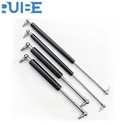
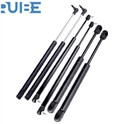
Before we explore their use in ventilation systems, let's briefly understand what gas springs are. Gas springs, also known as gas struts or gas shocks, are mechanical devices that use compressed gas (usually nitrogen) to provide a controlled force. They consist of a cylinder, a piston rod, and a seal, and are filled with pressurized gas. When the piston rod is pushed into the cylinder, the gas is compressed, creating a force that resists the movement. This force can be adjusted by varying the gas pressure or the size of the cylinder.
Gas springs offer several advantages over traditional mechanical springs, including smoother operation, adjustable force, and the ability to provide a constant force over a wide range of motion. These characteristics make them suitable for a variety of applications, from automotive hoods and trunk lids to industrial machinery and furniture.
Benefits of Using Gas Springs in Ventilation Systems
Now, let's explore the benefits of incorporating gas springs into ventilation systems:
- Controlled Ventilation: Gas springs can be used to control the opening and closing of ventilation dampers, louvers, and vents. By providing a controlled force, they ensure that the ventilation components open and close smoothly and accurately, allowing for precise control of air flow. This is particularly important in applications where maintaining a specific air flow rate or pressure is critical, such as in HVAC systems, clean rooms, and industrial ventilation systems.
- Energy Efficiency: Gas springs can help improve the energy efficiency of ventilation systems by reducing the amount of energy required to open and close the ventilation components. Unlike traditional mechanical springs, which require a significant amount of force to compress and extend, gas springs provide a constant force with minimal effort. This means that less energy is needed to operate the ventilation system, resulting in lower energy costs and reduced environmental impact.
- Safety and Reliability: Gas springs are designed to provide a high level of safety and reliability. They are built to withstand harsh environments and heavy use, and are often equipped with safety features such as overload protection and end-of-stroke damping. This ensures that the ventilation components operate smoothly and safely, reducing the risk of accidents and downtime.
- Customization: Gas springs can be customized to meet the specific requirements of different ventilation systems. They can be designed with different force ratings, stroke lengths, and mounting options to fit the unique needs of each application. This allows for greater flexibility and versatility in ventilation system design, ensuring that the system meets the exact specifications of the project.
Applications of Gas Springs in Ventilation Systems
Gas springs can be used in a wide range of ventilation system applications, including:


- HVAC Systems: Gas springs are commonly used in HVAC systems to control the opening and closing of dampers, louvers, and vents. They help regulate the flow of air in heating, ventilation, and air conditioning systems, ensuring that the indoor environment is comfortable and healthy.
- Industrial Ventilation Systems: Gas springs are also used in industrial ventilation systems to control the flow of air in factories, warehouses, and other industrial facilities. They help remove pollutants, dust, and fumes from the air, improving the air quality and reducing the risk of respiratory problems for workers.
- Clean Rooms: Gas springs are essential components in clean room ventilation systems, where maintaining a high level of air purity is critical. They are used to control the opening and closing of air filters, vents, and other ventilation components, ensuring that the clean room environment is free from contaminants.
- Automotive Ventilation Systems: Gas springs are used in automotive ventilation systems to control the opening and closing of sunroofs, windows, and vents. They provide a smooth and comfortable operation, allowing passengers to adjust the ventilation in the vehicle according to their preferences.
Considerations When Using Gas Springs in Ventilation Systems
While gas springs offer many benefits in ventilation systems, there are some considerations to keep in mind when selecting and installing them:
- Force Rating: The force rating of the gas spring should be carefully selected based on the weight and size of the ventilation component, as well as the required opening and closing force. A gas spring with a too low force rating may not be able to open or close the component properly, while a gas spring with a too high force rating may cause damage to the component or the ventilation system.
- Stroke Length: The stroke length of the gas spring should be chosen based on the maximum travel distance of the ventilation component. A gas spring with a too short stroke length may not be able to fully open or close the component, while a gas spring with a too long stroke length may cause the component to overextend or bind.
- Mounting Options: The mounting options of the gas spring should be compatible with the ventilation component and the ventilation system. Gas springs can be mounted in various ways, including end mounts, side mounts, and pivot mounts. The mounting method should be chosen based on the available space, the orientation of the component, and the required movement.
- Environmental Conditions: The environmental conditions in which the gas spring will operate should be considered when selecting the appropriate gas spring. Gas springs are available in different materials and finishes to withstand different environmental conditions, such as high temperatures, humidity, and corrosive chemicals.
Conclusion
In conclusion, gas springs can be effectively used in ventilation systems to provide controlled ventilation, improve energy efficiency, enhance safety and reliability, and allow for customization. They offer many benefits over traditional mechanical springs, and are suitable for a wide range of ventilation system applications. However, when selecting and installing gas springs in ventilation systems, it is important to consider the force rating, stroke length, mounting options, and environmental conditions to ensure optimal performance and reliability.
If you're interested in learning more about how gas springs can be used in your ventilation system, or if you have any questions or concerns, please don't hesitate to contact us. Our team of experts is here to help you find the right gas spring solution for your specific needs.
In addition to ventilation systems, gas springs are also widely used in other applications such as Gas Struts for Tool Box, Gas Lift for Furniture, and Murphy Bed Gas Spring. These applications showcase the versatility and reliability of gas springs in various industries.
References
- "Gas Springs: Design, Selection, and Application" by John M. Cimbala and Ronald L. Maughmer
- "HVAC Systems Design Handbook" by Ashrae
- "Industrial Ventilation: A Manual of Recommended Practice" by the American Conference of Governmental Industrial Hygienists (ACGIH)