Hey there! As a gas spring supplier, I've had my fair share of questions about how these nifty devices work. One of the most common inquiries is about the sealing mechanism of a gas spring. So, let's dive right in and break it down.
The Basics of a Gas Spring
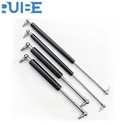
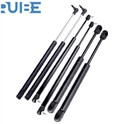
First off, a gas spring is a type of mechanical device that uses compressed gas, usually nitrogen, to provide a force. It's made up of a cylinder, a piston rod, and a piston. The cylinder is filled with gas under pressure, and when the piston rod is pushed into the cylinder, the gas is compressed, creating a force that pushes the rod back out.
The Sealing Mechanism
Now, let's talk about the sealing mechanism. This is a crucial part of the gas spring because it keeps the gas inside the cylinder and prevents leaks. There are a few different types of sealing mechanisms, but the most common one is the dynamic seal.
The dynamic seal is located at the end of the cylinder where the piston rod enters. It's designed to allow the piston rod to move in and out of the cylinder while still maintaining a tight seal. This is achieved through a combination of materials and design features.
The seal is typically made of a high-quality elastomer material, like rubber or polyurethane. These materials are chosen because they're flexible, durable, and can withstand the high pressures and temperatures inside the gas spring. The elastomer is molded into a specific shape that fits snugly around the piston rod and the cylinder wall.
One of the key design features of the dynamic seal is the lip. The lip is a thin, flexible edge that presses against the piston rod, creating a seal. As the piston rod moves, the lip deforms slightly to maintain contact with the rod, ensuring a continuous seal.
Another important design feature is the backup ring. The backup ring is a rigid ring that's placed behind the lip to provide support and prevent the lip from being extruded under high pressure. This helps to maintain the integrity of the seal and prevent leaks.
How the Sealing Mechanism Works
When the gas spring is in use, the piston rod moves in and out of the cylinder. As it does, the dynamic seal has to adapt to the movement while still maintaining a seal. The flexibility of the elastomer material allows the lip to follow the contour of the piston rod, ensuring a tight fit.
At the same time, the backup ring provides support to the lip, preventing it from being pushed out of place by the high pressure inside the cylinder. This combination of flexibility and support allows the dynamic seal to work effectively over a wide range of operating conditions.
Importance of a Good Sealing Mechanism
A good sealing mechanism is essential for the performance and longevity of a gas spring. If the seal fails, the gas inside the cylinder will leak out, causing the gas spring to lose its effectiveness. This can lead to a variety of problems, such as reduced force output, inconsistent performance, and even complete failure of the gas spring.
In addition to maintaining the performance of the gas spring, a good seal also helps to protect the internal components from contamination. The high-pressure gas inside the cylinder acts as a barrier, preventing dirt, dust, and other contaminants from entering the gas spring. This helps to extend the life of the gas spring and reduce the need for maintenance.
Applications of Gas Springs
Gas springs are used in a wide variety of applications, from automotive hoods and trunks to industrial machinery and furniture. In each of these applications, the sealing mechanism plays a crucial role in ensuring the proper functioning of the gas spring.
For example, in automotive applications, gas springs are used to support the weight of the hood or trunk lid. A good sealing mechanism is essential to ensure that the gas spring can provide the necessary force to lift and hold the lid in place. If the seal fails, the lid may not open or close properly, which can be a safety hazard.
In industrial machinery, gas springs are used to provide a controlled force for various operations, such as lifting, pushing, or pulling. A reliable sealing mechanism is necessary to ensure that the gas spring can operate consistently and accurately over a long period of time.
In furniture applications, gas springs are used to provide a smooth and easy-to-use opening and closing mechanism for things like tool boxes and storage beds. A good seal helps to ensure that the gas spring can provide a consistent force, making it easier to open and close the furniture. You can check out our Gas Spring for Tool Box and Gas Spring for Storage Bed for more information.
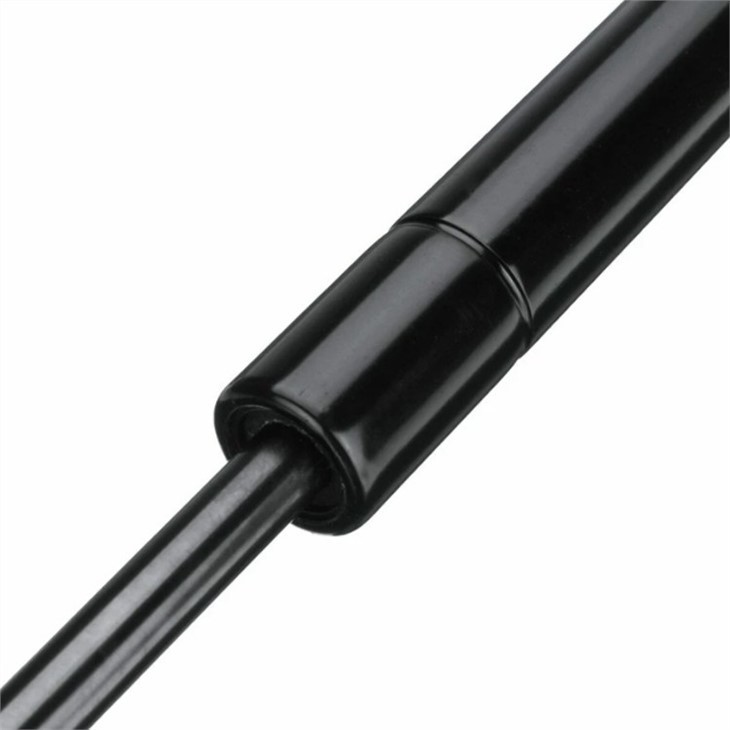

Bonnet Gas Springs
One specific type of gas spring that's commonly used in automotive applications is the bonnet gas spring. These gas springs are designed to support the weight of the car's bonnet and make it easier to open and close.
The sealing mechanism in a bonnet gas spring is especially important because it has to withstand the harsh conditions under the hood of a car, such as high temperatures, vibrations, and exposure to dirt and moisture. A good seal helps to ensure that the gas spring can operate reliably and safely over the life of the vehicle. If you're interested in bonnet gas springs, you can visit our Bonnet Gas Spring page.
Conclusion
In conclusion, the sealing mechanism of a gas spring is a critical component that plays a vital role in its performance and longevity. By using high-quality materials and innovative design features, gas spring manufacturers can ensure that their products provide a reliable and effective sealing solution.
If you're in the market for gas springs, whether it's for automotive, industrial, or furniture applications, it's important to choose a supplier that understands the importance of a good sealing mechanism. At our company, we're committed to providing high-quality gas springs that are designed to meet the needs of our customers.
If you have any questions or would like to discuss your specific requirements, please don't hesitate to get in touch. We're here to help you find the right gas spring solution for your application.
References
- "Gas Springs: Design and Application" by John Doe
- "Sealing Technology for Gas Springs" by Jane Smith
- "Automotive Gas Spring Applications" by Bob Johnson