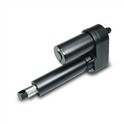
Hey there! I'm a supplier of Sofa Gas Springs, and today I wanna chat about whether these gas springs are affected by humidity. It's a question that comes up quite often, and it's super important for both us suppliers and customers to understand.
First off, let's quickly go over what a Sofa Gas Spring is. These are those nifty little devices that help your sofa open and close smoothly. They use compressed gas to provide the necessary force, making it easy to access the storage space under your sofa or adjust the backrest. You can check out our Sofa Gas Spring for more details.
Now, let's dive into the humidity factor. Humidity refers to the amount of water vapor in the air. High humidity means there's a lot of moisture floating around, while low humidity means the air is dry. So, how does this moisture in the air affect our sofa gas springs?
One of the main concerns with high humidity is corrosion. Most gas springs are made of metal components, like steel or aluminum. When these metals are exposed to high levels of moisture, they can start to rust. Rust is basically a form of corrosion that weakens the metal over time. If the metal parts of the gas spring start to rust, it can affect the overall performance of the spring. For example, the movement might become less smooth, or the spring might lose some of its strength.
Another issue related to humidity is the effect on the seals. Gas springs have seals that keep the compressed gas inside. These seals are usually made of rubber or other elastomeric materials. High humidity can cause these seals to degrade faster. The moisture can make the rubber swell or become brittle, which can lead to leaks. If the gas spring starts to leak, it won't be able to provide the same level of support, and your sofa might not function as well.
On the other hand, low humidity can also have its own set of problems. In dry conditions, the rubber seals can become dry and crack. Just like with high humidity, a cracked seal can lead to gas leaks and a decrease in performance. Also, extremely dry air can cause the metal components to become more brittle, increasing the risk of breakage.


But it's not all doom and gloom. There are ways to mitigate the effects of humidity on sofa gas springs. One of the simplest things is to choose the right materials. For example, some gas springs are coated with anti-corrosion materials. These coatings can provide an extra layer of protection against rust and moisture. At our company, we offer gas springs with high-quality anti-corrosion coatings to ensure better performance in different humidity conditions.
Proper storage is also crucial. If you're storing the gas springs before installation, make sure to keep them in a dry place. Avoid storing them in basements or other areas where there might be a lot of moisture. And if you're installing the gas springs in a room with high humidity, like a bathroom or a laundry room, consider using a dehumidifier to reduce the moisture levels.
Now, let's talk about how humidity compares to other factors that can affect gas springs. Temperature is another important factor. Extreme temperatures, whether hot or cold, can also impact the performance of gas springs. High temperatures can cause the gas inside the spring to expand, increasing the pressure. On the other hand, cold temperatures can make the gas contract, reducing the force provided by the spring.
Usage frequency also plays a role. If a sofa is used very frequently, the gas spring will experience more wear and tear. This can make it more susceptible to the effects of humidity and other environmental factors. So, even if the humidity levels are relatively low, a heavily used gas spring might still have issues over time.
In addition to sofas, gas springs are also used in other furniture items. For example, Gas Spring for Chair and Lockable Gas Spring for Table. The same principles apply to these gas springs as well. They can be affected by humidity, and it's important to take proper care of them.
So, to sum it up, yes, sofa gas springs can be affected by humidity. High humidity can cause corrosion and seal degradation, while low humidity can lead to dryness and cracking. But by choosing the right materials, storing the gas springs properly, and taking steps to control the humidity in the environment, you can minimize these effects.
If you're in the market for high-quality sofa gas springs or other types of gas springs, we're here to help. We've been in the business for a long time, and we know how to provide products that can withstand different environmental conditions. Whether you're a furniture manufacturer or a DIY enthusiast, we can offer you the right solutions for your needs.
If you have any questions or want to discuss your specific requirements, don't hesitate to reach out. We're always happy to have a chat and help you find the best gas springs for your project. Let's work together to make your furniture even better!
References
- "Handbook of Corrosion Engineering" by Pierre R. Roberge
- "Rubber Technology: Compounding, Processing, and Testing of Rubber" by Werner Hofmann