Can Gas Dampers be Repaired?
As a gas damper supplier, I often encounter customers with questions about the repair of gas dampers. Gas dampers, also known as gas struts or gas springs, are widely used in various applications, from cabinet doors to automotive hoods. Their main function is to provide controlled motion, support, and damping. But the question remains: can they be repaired?


Understanding Gas Dampers
Before delving into the repair aspect, it's essential to understand how gas dampers work. A typical gas damper consists of a cylinder filled with pressurized gas (usually nitrogen), a piston rod, and seals. When the piston rod is pushed or pulled, the gas inside the cylinder is compressed or expanded, providing the necessary force for movement. The seals are crucial to maintain the gas pressure and prevent leakage.
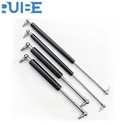
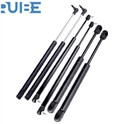
Gas dampers are used in a wide range of industries. For instance, Cabinet Gas Damper is commonly used in kitchen cabinets, wardrobes, and furniture to ensure smooth and quiet opening and closing of doors. On the other hand, Gas Damper for Car is used in vehicle hoods, trunk lids, and tailgates to support the weight and provide easy access.
Factors Affecting Repairability
The repairability of gas dampers depends on several factors. One of the primary factors is the type of damage. Minor issues such as a loose mounting bracket or a dirty piston rod can often be easily repaired. For example, if the mounting bracket is loose, it can be tightened with the appropriate tools. Cleaning the piston rod with a mild detergent and lubricating it can also improve the performance of the gas damper.
However, more serious damage, such as gas leakage or a broken piston rod, is more challenging to repair. Gas leakage is a common problem that can occur due to worn-out seals or damage to the cylinder. Once the gas leaks, the pressure inside the damper decreases, and it loses its functionality. In most cases, repairing a gas damper with gas leakage requires specialized equipment and expertise.
Another factor to consider is the cost of repair. Sometimes, the cost of repairing a gas damper can be almost as high as the cost of a new one. This is especially true for high - end or custom - made gas dampers. In such cases, it may be more cost - effective to replace the gas damper rather than repair it.
Repairing Minor Issues
Let's take a closer look at how to repair some of the minor issues that can occur with gas dampers.
Mounting Bracket Issues: If the mounting bracket is loose, start by inspecting it for any signs of damage. If there are no visible cracks or breaks, use a wrench or a screwdriver to tighten the bolts or screws that hold the bracket in place. Make sure the bracket is securely attached to both the damper and the mounting surface.
Piston Rod Cleaning and Lubrication: Over time, dirt and debris can accumulate on the piston rod, causing it to move less smoothly. To clean the piston rod, use a soft cloth dampened with a mild detergent. Gently wipe the rod to remove any dirt or grime. After cleaning, apply a small amount of silicone - based lubricant to the piston rod. This will help reduce friction and improve the damper's performance.
Dealing with Serious Damage
When it comes to more serious damage, such as gas leakage or a broken piston rod, the situation is more complicated.
Gas Leakage: Detecting gas leakage can be tricky. One way to check for leakage is to look for signs of oil or gas residue around the seals or the cylinder. If you suspect gas leakage, it's best to consult a professional. A professional repair service will have the necessary equipment to recharge the gas damper. However, not all gas dampers can be recharged. Some are designed as non - rechargeable units, and in such cases, replacement is the only option.
Broken Piston Rod: A broken piston rod is a severe issue that usually requires replacement. It's extremely difficult to repair a broken piston rod as it needs to be precisely machined to the correct specifications. Attempting to repair a broken piston rod without the proper tools and expertise can lead to further damage and a non - functioning damper.
When to Replace vs. Repair
Deciding whether to repair or replace a gas damper can be a difficult decision. Here are some guidelines to help you make the right choice:
- Age of the Gas Damper: If the gas damper is relatively new and has only a minor issue, it's usually worth trying to repair it. However, if the damper is old and has been in use for a long time, it may be more prone to further problems, and replacement might be a better option.
- Cost: As mentioned earlier, if the cost of repair is close to or higher than the cost of a new gas damper, it's more economical to replace it.
- Availability of Parts: If the parts required for repair are difficult to find or not available, replacement becomes the only viable option.
Conclusion
In conclusion, gas dampers can be repaired in some cases, especially when dealing with minor issues such as loose mounting brackets or dirty piston rods. However, more serious damage, such as gas leakage or a broken piston rod, often requires professional attention and may not always be repairable. When making the decision between repair and replacement, consider factors such as the type of damage, the cost, and the age of the gas damper.
If you are facing issues with your gas dampers or are looking for high - quality gas dampers for your project, feel free to contact us. We are a leading gas damper supplier, and we can provide you with the best solutions for your needs. Whether you need Cabinet Gas Damper for your furniture or Gas Damper for Car for your vehicle, we have a wide range of products to choose from. Contact us today to start a procurement discussion and find the perfect gas damper for your application.
References
- "Gas Springs: Design and Application" by H. A. Rothbart
- "Automotive Gas Strut Handbook" by various automotive engineering experts