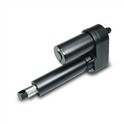
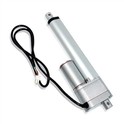
As a supplier of linear actuators, I am often asked whether our products can be used in food processing machines. This is a crucial question, considering the strict regulations and unique requirements in the food industry. In this blog, I will explore the feasibility of using linear actuators in food processing machines, the benefits they offer, and the key factors to consider.
Feasibility of Using Linear Actuators in Food Processing Machines
The short answer is yes, linear actuators can be used in food processing machines. These machines require precise and reliable motion control for various tasks such as cutting, mixing, filling, and packaging. Linear actuators are capable of providing the necessary linear motion with high accuracy and repeatability, making them suitable for many food processing applications.
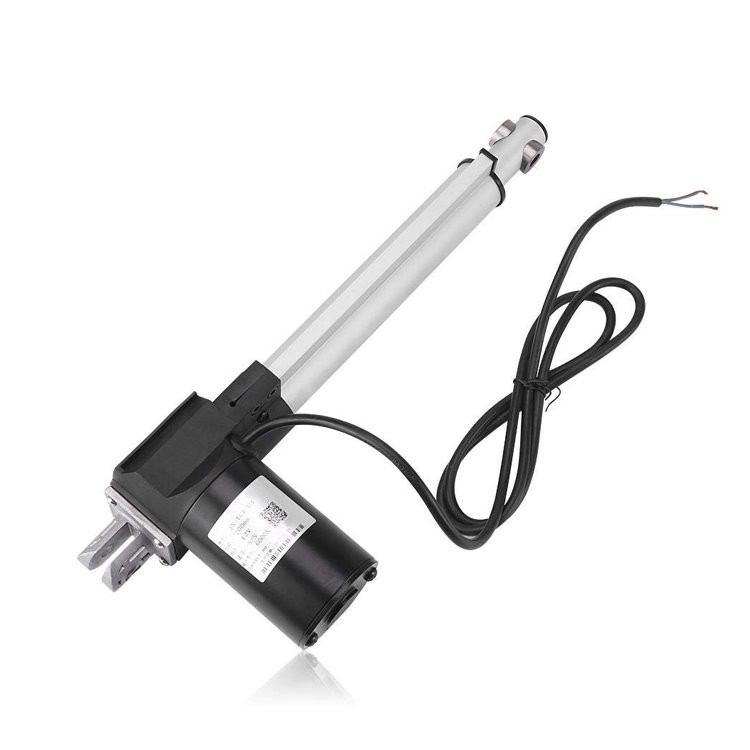

One of the main advantages of linear actuators is their ability to automate processes. In food processing, automation can significantly increase productivity, reduce labor costs, and improve product quality. For example, in a food filling machine, a linear actuator can be used to precisely control the amount of food being dispensed into each container. This ensures consistent portion sizes and reduces waste.
Another benefit is the flexibility of linear actuators. They can be easily integrated into different types of food processing machines, regardless of their size or complexity. Whether it's a small-scale artisanal food production line or a large industrial processing plant, linear actuators can be customized to meet the specific requirements of the application.
Benefits of Using Linear Actuators in Food Processing
Precision and Accuracy
Linear actuators can achieve very high levels of precision, which is essential in food processing. For instance, in a slicing machine, the actuator can control the blade's movement with micron-level accuracy, resulting in uniform slices of food products. This not only enhances the visual appeal of the final product but also ensures consistent quality.
Hygiene and Cleanliness
The food industry has strict hygiene standards, and linear actuators can be designed to meet these requirements. Some linear actuators are made from materials that are resistant to corrosion and easy to clean, such as stainless steel. Additionally, they can be enclosed in protective housings to prevent contamination from food particles, dust, and liquids.
Energy Efficiency
Compared to traditional hydraulic or pneumatic systems, linear actuators are more energy-efficient. They consume less power during operation, which can lead to significant cost savings in the long run. This is especially important for food processing plants that operate continuously and have high energy demands.
Quiet Operation
Linear actuators operate quietly, which is an advantage in a food processing environment. Loud machinery can be a distraction to workers and may also affect the quality of the food products. The quiet operation of linear actuators helps to create a more comfortable and productive working environment.
Key Factors to Consider When Using Linear Actuators in Food Processing
Material Selection
As mentioned earlier, the materials used in linear actuators must be suitable for the food industry. Stainless steel is a popular choice due to its corrosion resistance and ease of cleaning. Other materials, such as food-grade plastics, can also be used in certain applications. It's important to ensure that the materials comply with relevant food safety regulations.
Sealing and Protection
To prevent contamination, linear actuators need to be properly sealed. They should have effective seals to keep out food particles, moisture, and other contaminants. Some actuators are designed with IP (Ingress Protection) ratings, which indicate their level of protection against solids and liquids. A higher IP rating means better protection.
Compliance with Regulations
The food industry is heavily regulated, and linear actuators used in food processing machines must comply with various standards and regulations. For example, in the United States, the Food and Drug Administration (FDA) has specific requirements for food contact materials. It's crucial to ensure that the linear actuators meet all the relevant regulatory requirements.
Maintenance and Serviceability
Regular maintenance is essential to ensure the reliable operation of linear actuators in food processing machines. They should be designed for easy access and maintenance, with components that can be quickly replaced if necessary. This helps to minimize downtime and keep the production line running smoothly.
Examples of Linear Actuator Applications in Food Processing
Cutting and Slicing Machines
In cutting and slicing machines, linear actuators are used to control the movement of the blades. They can provide precise and consistent cuts, whether it's slicing bread, cheese, or meat. The 12V Linear Actuator is a popular choice for small to medium-sized cutting machines due to its compact size and high performance.
Mixing and Blending Machines
Linear actuators can be used to control the speed and position of the mixing blades in mixing and blending machines. This ensures thorough mixing of ingredients and consistent product quality. They can also be used to adjust the height or angle of the mixing container for better access and cleaning.
Filling and Packaging Machines
In filling and packaging machines, linear actuators are used to control the filling nozzles and the movement of the packaging materials. They can accurately dispense the right amount of food into each container and ensure proper sealing of the packages. The Linear Actuator for Standing Desk can be adapted for some filling and packaging applications, providing smooth and reliable motion.
Sorting and Inspection Machines
Linear actuators are used in sorting and inspection machines to move the food products along the conveyor belt and position them for inspection. They can also be used to remove defective products from the production line. The Linear Actuator for Electric Sofa can be modified to provide the necessary linear motion in these types of machines.
Conclusion
In conclusion, linear actuators can be effectively used in food processing machines. They offer numerous benefits, including precision, hygiene, energy efficiency, and quiet operation. However, it's important to carefully consider the material selection, sealing, compliance with regulations, and maintenance requirements when using linear actuators in the food industry.
If you are in the food processing industry and are looking for reliable linear actuators for your machines, we are here to help. Our company specializes in providing high-quality linear actuators that are suitable for a wide range of food processing applications. We can work with you to customize the actuators to meet your specific needs. Contact us today to start a discussion about your requirements and explore how our linear actuators can enhance your food processing operations.
References
- "Food Processing Machinery - Safety and Hygiene Requirements" by the International Organization for Standardization (ISO).
- "FDA Food Contact Substances Notification Program" by the U.S. Food and Drug Administration.
- "Linear Actuators: Principles, Applications, and Design" by various industry experts.