As a supplier of 24V linear actuators, I often encounter inquiries from various industries about the suitability of our products for their specific applications. One question that has come up frequently is whether a 24V linear actuator can be used in a stage lighting system. In this blog post, I will explore this topic in detail, discussing the potential benefits, challenges, and considerations when using a 24V linear actuator in a stage lighting setup.

Understanding 24V Linear Actuators
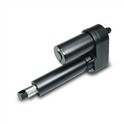
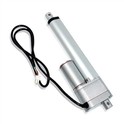
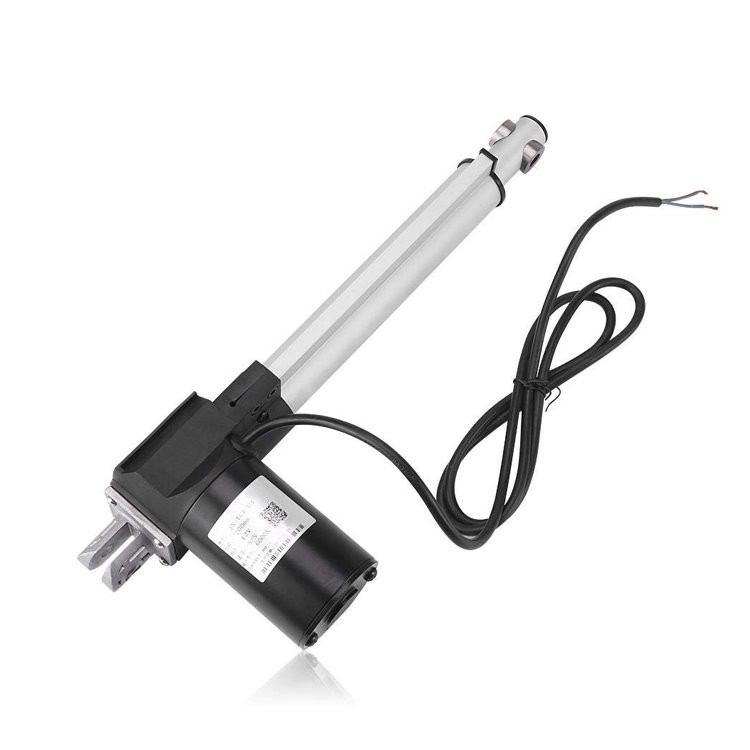
Before delving into the application of 24V linear actuators in stage lighting systems, it's important to understand what these actuators are and how they work. A linear actuator is a device that converts rotational motion into linear motion, allowing for precise control of movement in a straight line. The "24V" refers to the voltage at which the actuator operates, which is a common standard in many industrial and commercial applications.
24V linear actuators offer several advantages, including compact size, high efficiency, and precise control. They are also relatively easy to integrate into existing systems, making them a popular choice for a wide range of applications, from Linear Actuator for Electric Sofa to Linear Actuator for Door Opener and Linear Actuator for Tv Lift.
Potential Benefits of Using 24V Linear Actuators in Stage Lighting Systems
- Precise Movement Control: Stage lighting often requires precise positioning and movement of lights to create the desired effects. 24V linear actuators offer high precision, allowing for accurate adjustment of the angle, height, and position of lighting fixtures. This level of control is essential for creating dynamic and engaging lighting displays.
- Compact Design: In a stage environment, space is often limited. 24V linear actuators are typically compact in size, making them easy to install in tight spaces without taking up too much room. This is particularly important for stage lighting systems, where multiple fixtures may need to be installed in a relatively small area.
- Quiet Operation: Noise can be a significant issue in a stage setting, especially during performances. 24V linear actuators operate quietly, ensuring that the movement of lighting fixtures does not disrupt the performance or distract the audience.
- Energy Efficiency: With the increasing focus on energy conservation, energy efficiency is an important consideration in any lighting system. 24V linear actuators are designed to be energy-efficient, consuming less power compared to other types of actuators. This not only helps to reduce operating costs but also contributes to a more sustainable stage lighting setup.
- Reliability and Durability: Stage lighting systems need to be reliable and durable to withstand the rigors of frequent use and transportation. 24V linear actuators are built to last, with high-quality components and robust construction. They can operate continuously for long periods without experiencing significant wear and tear, ensuring reliable performance over time.
Challenges and Considerations
While there are many potential benefits to using 24V linear actuators in stage lighting systems, there are also some challenges and considerations that need to be taken into account.
- Load Capacity: The load capacity of a linear actuator refers to the maximum weight it can move. In a stage lighting system, the weight of the lighting fixtures, as well as any additional equipment or accessories, needs to be considered when selecting a linear actuator. It's important to choose an actuator with a sufficient load capacity to ensure smooth and reliable operation.
- Speed and Acceleration: The speed and acceleration of the linear actuator are also important factors to consider. In a stage lighting system, the movement of lighting fixtures may need to be coordinated with the music, choreography, or other elements of the performance. Therefore, the actuator should be able to achieve the desired speed and acceleration to create the appropriate effects.
- Environmental Conditions: Stage environments can be harsh, with exposure to dust, moisture, and temperature variations. The linear actuator needs to be able to withstand these environmental conditions to ensure reliable performance. It's important to choose an actuator that is designed for use in such environments, with appropriate protection against dust, moisture, and corrosion.
- Control System Compatibility: The linear actuator needs to be compatible with the control system used in the stage lighting setup. This may involve ensuring that the actuator can be controlled using the same interface or protocol as the other lighting equipment. Compatibility issues can lead to problems with operation and performance, so it's important to carefully consider this aspect when selecting a linear actuator.
Selecting the Right 24V Linear Actuator for Your Stage Lighting System
When selecting a 24V linear actuator for your stage lighting system, there are several factors to consider:
- Load Capacity: As mentioned earlier, the load capacity of the actuator is an important consideration. Make sure to choose an actuator with a load capacity that is sufficient to handle the weight of the lighting fixtures and any additional equipment.
- Stroke Length: The stroke length refers to the maximum distance the actuator can move. Consider the range of movement required for your lighting fixtures and choose an actuator with an appropriate stroke length.
- Speed and Force: Determine the speed and force requirements for your application. This will depend on the specific effects you want to achieve and the weight of the objects being moved.
- Mounting Options: Consider the mounting options available for the actuator. Make sure it can be easily installed in your stage lighting setup.
- Control Interface: Ensure that the actuator is compatible with the control system you plan to use. This may involve choosing an actuator with a specific control interface or protocol.
Conclusion
In conclusion, a 24V linear actuator can be a suitable choice for a stage lighting system, offering precise movement control, compact design, quiet operation, energy efficiency, and reliability. However, it's important to carefully consider the load capacity, speed, acceleration, environmental conditions, and control system compatibility when selecting an actuator. By choosing the right actuator and ensuring proper installation and maintenance, you can create a dynamic and engaging stage lighting setup that enhances the overall performance.
If you are interested in using 24V linear actuators in your stage lighting system or have any questions about our products, please feel free to contact us for more information and to discuss your specific requirements. We are here to help you find the best solution for your needs.
References
- "Linear Actuators: Principles, Types, and Applications" - A technical guide on linear actuators.
- "Stage Lighting Design: Principles and Practice" - A comprehensive resource on stage lighting design.
- Industry standards and guidelines for stage lighting systems.