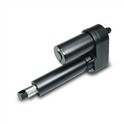
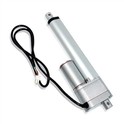
In the realm of modern engineering and automation, electric linear actuators have emerged as indispensable components, powering a wide array of applications across various industries. As a leading provider of high - quality electric linear actuators, I am often asked about the self - locking ability of these remarkable devices. In this blog post, I will delve into the concept of self - locking ability, its significance, and how it impacts the performance of electric linear actuators.
Understanding the Self - Locking Ability
The self - locking ability of an electric linear actuator refers to its capacity to maintain a fixed position without the need for continuous power input. When an actuator is self - locking, it can resist external forces and stay in place, even when the power supply is cut off. This feature is particularly crucial in applications where holding a specific position is vital for safety, stability, or precision.
The self - locking mechanism is typically achieved through the design of the actuator's gear system. For example, many electric linear actuators use worm gears. Worm gears have a unique property where the worm (the driving gear) can easily turn the worm wheel, but the worm wheel has difficulty turning the worm. This mechanical advantage creates a self - locking effect, preventing the actuator from back - driving under load.
Significance of Self - Locking Ability
Safety
In applications where safety is paramount, such as in medical equipment or automotive systems, the self - locking ability of an electric linear actuator is crucial. For instance, in a hospital bed, the actuator that adjusts the height or angle of the bed must be able to hold its position securely. If the actuator were to lose its position due to a power failure or external force, it could pose a serious risk to the patient. The self - locking feature ensures that the bed remains stable and safe at all times.
Energy Efficiency
Self - locking actuators can contribute to significant energy savings. Since they can maintain their position without continuous power, there is no need to keep the motor running constantly. This reduces energy consumption, especially in applications where the actuator is required to hold a position for extended periods. For example, in a solar tracker system, the actuator can lock in place once it has adjusted the solar panels to the optimal angle, conserving energy while still ensuring maximum sunlight exposure. Linear Actuator for Solar Tracker


Precision and Stability
In industrial automation and manufacturing processes, precision and stability are essential. Self - locking actuators can provide the necessary accuracy by holding the position precisely, even under varying loads. This is particularly important in applications such as CNC machines, where any deviation in position can result in defective products. The self - locking feature ensures that the actuator maintains the desired position, improving the overall quality and efficiency of the manufacturing process.
Factors Affecting Self - Locking Ability
Load Capacity
The load capacity of an electric linear actuator plays a significant role in its self - locking ability. As the load increases, the risk of the actuator back - driving also increases. Therefore, it is crucial to select an actuator with a sufficient load capacity for the specific application. For example, in a trunk lid application, the actuator must be able to support the weight of the trunk lid and any additional items inside it. Linear Actuator for Trunk Lid
Gear Ratio
The gear ratio of the actuator's gear system affects its self - locking performance. A higher gear ratio generally provides better self - locking ability, as it increases the mechanical advantage. However, a very high gear ratio may also result in slower actuator speed. Therefore, a balance must be struck between self - locking ability and speed when selecting an actuator.
Friction
Friction within the actuator's components can also impact its self - locking ability. Higher friction can enhance the self - locking effect, but it can also increase wear and tear on the components, reducing the actuator's lifespan. Proper lubrication and material selection are essential to optimize friction and ensure long - term performance.
Applications of Self - Locking Electric Linear Actuators
Home Automation
In home automation systems, self - locking electric linear actuators are used in various applications, such as window blinds, curtains, and TV lifts. For example, a Linear Actuator for Tv Lift can securely hold the TV in the desired position, whether it is fully extended or retracted. This ensures that the TV remains stable and safe, providing a better user experience.
Automotive Industry
In the automotive industry, self - locking actuators are used in applications such as seat adjustment, trunk lid opening and closing, and convertible roof systems. The self - locking feature ensures that these components remain in the desired position, even when the vehicle is in motion or subjected to vibrations.
Industrial Machinery
In industrial machinery, self - locking actuators are used in conveyor systems, robotic arms, and material handling equipment. They provide the necessary precision and stability to ensure smooth operation and prevent accidents.
Selecting the Right Self - Locking Electric Linear Actuator
When selecting a self - locking electric linear actuator, several factors need to be considered. Firstly, determine the required load capacity based on the application. Consider the maximum weight or force that the actuator will need to support. Secondly, evaluate the required speed and stroke length. The speed of the actuator should be sufficient for the application, while the stroke length should be appropriate for the range of motion required.
It is also important to consider the environmental conditions in which the actuator will operate. Factors such as temperature, humidity, and dust can affect the performance and lifespan of the actuator. Choose an actuator that is designed to withstand the specific environmental conditions of the application.
Conclusion
The self - locking ability of an electric linear actuator is a critical feature that offers numerous benefits in terms of safety, energy efficiency, precision, and stability. As a leading provider of electric linear actuators, we understand the importance of this feature and offer a wide range of self - locking actuators to meet the diverse needs of our customers.
Whether you are in the home automation, automotive, or industrial sector, our self - locking electric linear actuators can provide the reliable performance you need. If you are interested in learning more about our products or have specific requirements for your application, we encourage you to contact us for a detailed discussion. Our team of experts is ready to assist you in selecting the right actuator and providing you with the best solution for your project.
References
- "Mechanical Engineering Design" by Joseph E. Shigley and Charles R. Mischke
- "Automation, Production Systems, and Computer - Integrated Manufacturing" by Mikell P. Groover