What is the load capacity of a gas spring?
As a seasoned supplier of gas springs, I've encountered numerous inquiries regarding the load capacity of these essential components. Understanding the load capacity of a gas spring is crucial for ensuring its optimal performance in various applications. In this blog post, I'll delve into the concept of load capacity, factors that influence it, and how to select the right gas spring based on your specific requirements.
Load capacity, in the context of gas springs, refers to the maximum force that a gas spring can support or exert. It is typically measured in newtons (N) or pounds-force (lbf). The load capacity of a gas spring determines its suitability for different applications, such as lifting, supporting, or counterbalancing loads.
Several factors influence the load capacity of a gas spring. The most significant factor is the internal pressure of the gas spring. Gas springs are filled with nitrogen gas, which is compressed to create a force. The higher the internal pressure, the greater the load capacity of the gas spring. However, it's important to note that increasing the internal pressure also increases the stiffness of the gas spring, which may affect its performance in certain applications.


Another factor that affects the load capacity of a gas spring is the diameter of the piston rod. A larger piston rod diameter generally results in a higher load capacity. This is because a larger piston rod can withstand greater forces without bending or buckling. Additionally, the length of the gas spring can also impact its load capacity. Longer gas springs typically have a higher load capacity than shorter ones, as they can accommodate more gas and generate a greater force.
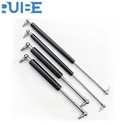
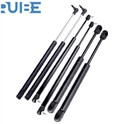
The type of application also plays a crucial role in determining the required load capacity of a gas spring. For example, gas springs used in furniture applications, such as Gas Spring for Furniture, typically require a lower load capacity compared to those used in industrial or automotive applications. Furniture gas springs are designed to support the weight of the furniture and provide smooth and easy operation. On the other hand, gas springs used in tool boxes, such as Gas Struts for Tool Box, need to have a higher load capacity to withstand the weight of the tools and equipment stored inside.
When selecting a gas spring, it's essential to consider the specific requirements of your application. Start by determining the weight of the load that the gas spring needs to support. This can be done by weighing the object or using the manufacturer's specifications. Once you have the weight of the load, you can calculate the required load capacity of the gas spring.
In addition to the load capacity, you also need to consider other factors such as the stroke length, mounting options, and the desired level of damping. The stroke length refers to the maximum distance that the gas spring can extend or retract. It's important to choose a gas spring with a stroke length that is suitable for your application. The mounting options determine how the gas spring will be attached to the object, and it's crucial to select a mounting option that is compatible with your design.
Damping is another important consideration when selecting a gas spring. Damping refers to the ability of the gas spring to control the speed of movement and prevent sudden or jerky motions. Gas springs with higher damping are typically used in applications where smooth and controlled movement is required, such as in medical equipment or automotive seats.
As a gas spring supplier, I understand the importance of providing high-quality products that meet the specific needs of our customers. That's why we offer a wide range of gas springs with different load capacities, stroke lengths, and mounting options. Our team of experts is always available to assist you in selecting the right gas spring for your application and providing technical support.
If you're in the market for gas springs, I encourage you to [contact us](not providing made - up details here) to discuss your requirements. We can provide you with detailed product information, samples, and competitive pricing. Whether you need gas springs for furniture, tool boxes, or any other application, we have the expertise and the products to meet your needs.
In conclusion, the load capacity of a gas spring is a critical factor that determines its suitability for different applications. By understanding the factors that influence load capacity and carefully considering your specific requirements, you can select the right gas spring for your project. As a trusted gas spring supplier, we're committed to providing you with the best products and services to ensure the success of your application.
References
- Engineering textbooks on mechanical design and fluid power systems
- Manufacturer's specifications and technical documentation for gas springs.