As a supplier of lockable gas springs, I often receive inquiries from customers regarding various aspects of our products. One question that comes up frequently is about the maximum humidity level for using a lockable gas spring. In this blog post, I'll delve into this topic, exploring the impact of humidity on lockable gas springs and determining the appropriate humidity limits for their optimal use.
Understanding Lockable Gas Springs
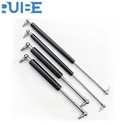
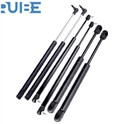
Before we discuss the impact of humidity, let's briefly understand what lockable gas springs are. Lockable gas springs are mechanical components that use compressed gas to provide controlled motion and support. They can be locked in a specific position, which makes them ideal for a wide range of applications, including Massage Chair Lockable Gas Spring, Gas Spring for Office Chair, and Gas Struts for Medical Bed.
These gas springs consist of a cylinder filled with compressed gas (usually nitrogen), a piston rod, and a locking mechanism. The gas pressure inside the cylinder creates a force that can be used to lift, support, or position objects. The locking mechanism allows the gas spring to be fixed in a particular position, providing stability and safety.
The Impact of Humidity on Lockable Gas Springs
Humidity refers to the amount of water vapor present in the air. High humidity levels can have several adverse effects on lockable gas springs, including:
Corrosion
One of the most significant concerns with high humidity is corrosion. When the air is humid, water vapor can condense on the surface of the gas spring components, especially the piston rod and the cylinder. Over time, this moisture can react with the metal, leading to rust and corrosion. Corrosion can weaken the structural integrity of the gas spring, reduce its performance, and ultimately lead to failure.
Lubrication Degradation
Lockable gas springs rely on lubricants to ensure smooth operation and reduce friction between moving parts. High humidity can cause the lubricants to break down or wash away, leading to increased friction and wear. This can result in a loss of performance, increased noise, and a shorter lifespan for the gas spring.
Sealing Issues
The seals in a lockable gas spring are designed to prevent the escape of gas and the ingress of contaminants. High humidity can cause the seals to swell or degrade, compromising their effectiveness. This can lead to gas leakage, which can affect the performance of the gas spring and potentially pose a safety risk.


Electrical Component Damage
In some applications, lockable gas springs may be equipped with electrical components, such as sensors or actuators. High humidity can cause these components to malfunction or fail due to moisture ingress. This can lead to a loss of functionality and potentially costly repairs.
Determining the Maximum Humidity Level
The maximum humidity level for using a lockable gas spring depends on several factors, including the type of gas spring, the materials used in its construction, and the specific application. In general, most lockable gas springs are designed to operate in environments with a relative humidity (RH) of up to 80%. However, this is a general guideline, and the actual maximum humidity level may vary depending on the circumstances.
For applications in highly humid environments, such as outdoor or marine settings, it may be necessary to use gas springs that are specifically designed to withstand high humidity. These gas springs may be made from corrosion-resistant materials, such as stainless steel, and may have additional protective coatings or seals to prevent moisture ingress.
In addition to the maximum humidity level, it's also important to consider the duration of exposure to high humidity. Short-term exposure to high humidity may not cause significant damage to the gas spring, but prolonged exposure can increase the risk of corrosion and other issues. Therefore, it's important to take steps to minimize the gas spring's exposure to high humidity whenever possible.
Tips for Using Lockable Gas Springs in Humid Environments
If you need to use lockable gas springs in a humid environment, here are some tips to help ensure their optimal performance and longevity:
Choose the Right Gas Spring
Select a gas spring that is specifically designed for use in humid environments. Look for gas springs made from corrosion-resistant materials and with additional protective features, such as sealed ends or coated surfaces.
Provide Adequate Ventilation
Ensure that the area where the gas spring is installed is well-ventilated. Good ventilation can help reduce the humidity level and prevent the buildup of moisture.
Use a Dehumidifier
In areas with high humidity, consider using a dehumidifier to control the moisture level. A dehumidifier can help keep the relative humidity within the acceptable range for the gas spring.
Regular Maintenance
Perform regular maintenance on the gas spring to check for signs of corrosion, wear, or damage. Clean the gas spring components regularly to remove any dirt, debris, or moisture. Replace any worn or damaged parts as soon as possible to prevent further problems.
Protect the Gas Spring
If possible, protect the gas spring from direct exposure to moisture. This can be done by using covers, enclosures, or other protective measures.
Conclusion
In conclusion, high humidity can have a significant impact on the performance and lifespan of lockable gas springs. To ensure the optimal use of these gas springs, it's important to understand the maximum humidity level they can tolerate and take appropriate measures to protect them from moisture.
As a supplier of lockable gas springs, we are committed to providing our customers with high-quality products that are designed to perform in a variety of environments. If you have any questions or need further information about using lockable gas springs in humid conditions, please don't hesitate to contact us. We'll be happy to assist you in selecting the right gas spring for your application and providing you with the support you need to ensure its long-term performance.
Whether you're looking for a Massage Chair Lockable Gas Spring, a Gas Spring for Office Chair, or a Gas Struts for Medical Bed, we have the expertise and experience to meet your needs. Contact us today to discuss your requirements and explore our range of lockable gas springs.
References
- "Gas Spring Technology Handbook" by Suspa Inc.
- "Corrosion Prevention and Control in Industrial Environments" by NACE International.
- "Lubrication Fundamentals" by the Society of Tribologists and Lubrication Engineers (STLE).