As a seasoned gas spring supplier, I've encountered numerous inquiries regarding the adjustment of gas spring strokes. The stroke of a gas spring is a critical parameter that determines its functionality and suitability for various applications. In this blog, I'll share comprehensive insights on how to adjust the stroke of a gas spring, covering essential aspects from understanding the basics to practical adjustment methods.
Understanding Gas Spring Stroke
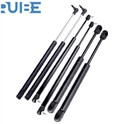
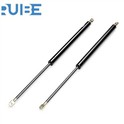
Before delving into the adjustment process, it's crucial to understand what the stroke of a gas spring means. The stroke refers to the maximum distance the piston rod can extend or retract within the gas spring cylinder. It is a key factor that influences the performance of the gas spring in different applications, such as in Gas Struts for Tool Box, where the stroke determines how far the toolbox lid can open.
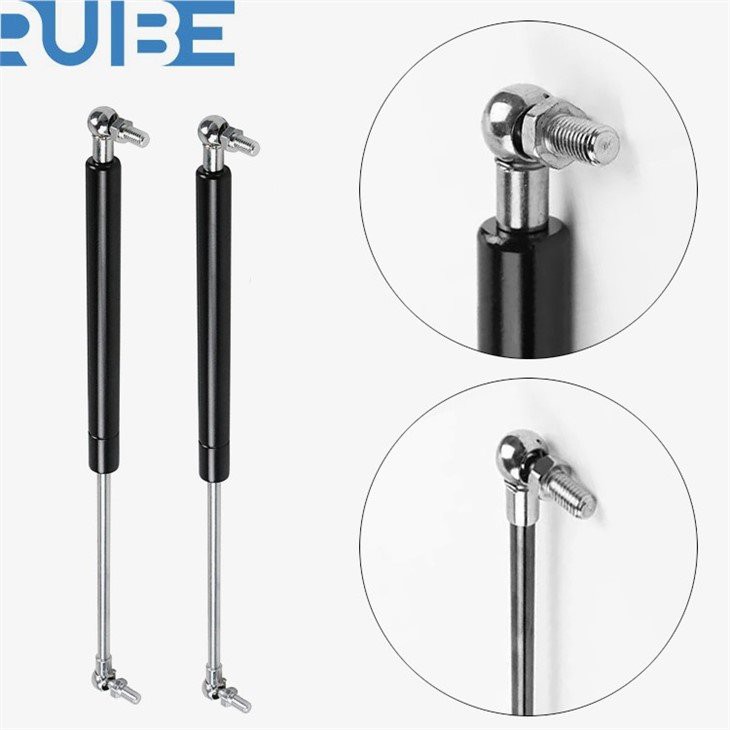

The stroke is determined during the manufacturing process based on the specific requirements of the application. However, there are situations where adjustment might be necessary, such as when there are changes in the application or if the initial stroke setting was not optimal.
Reasons for Adjusting Gas Spring Stroke
There are several reasons why one might need to adjust the stroke of a gas spring. One common reason is to adapt to changes in the application. For example, if a toolbox design is modified, the stroke of the Gas Spring for Tool Box might need to be adjusted to ensure proper functionality. Another reason could be to optimize the performance of the gas spring. If the gas spring is not providing the desired level of support or movement, adjusting the stroke can sometimes resolve the issue.
Tools Required for Adjustment
Adjusting the stroke of a gas spring typically requires a few basic tools. These include a set of wrenches, which are used to loosen and tighten the necessary components. A measuring tape or ruler is also essential to accurately measure the stroke length before and after adjustment. Additionally, depending on the type of gas spring, you might need a specialized tool for removing and installing the end fittings.
Step-by-Step Guide to Adjusting Gas Spring Stroke
- Safety First: Before starting any adjustment, ensure that the gas spring is properly supported and that the system is in a stable state. Gas springs are under high pressure, so it's important to take precautions to avoid any accidents.
- Identify the Adjustment Mechanism: Different gas springs have different adjustment mechanisms. Some gas springs have adjustable end fittings that can be used to change the stroke length. Others might require more complex adjustments, such as modifying the internal components of the gas spring. Refer to the manufacturer's instructions to identify the specific adjustment mechanism for your gas spring.
- Measure the Current Stroke: Use a measuring tape or ruler to measure the current stroke length of the gas spring. This will serve as a reference point for the adjustment process.
- Make the Adjustment: If the gas spring has adjustable end fittings, use a wrench to loosen the fittings and adjust the stroke length. Tighten the fittings securely once the desired stroke length is achieved. If the adjustment requires modifying the internal components, it's recommended to seek the assistance of a professional.
- Test the Adjustment: After making the adjustment, test the gas spring to ensure that it is functioning properly. Check the stroke length again to confirm that it is within the desired range.
Considerations for Different Applications
The adjustment process might vary depending on the specific application of the gas spring. For example, in the case of Murphy Bed Gas Spring, the stroke adjustment needs to be carefully calibrated to ensure smooth and safe operation of the bed. In this application, it's important to consider factors such as the weight of the bed and the range of motion required.
In toolbox applications, the stroke adjustment should be optimized to provide easy access to the tools inside the box. The adjustment should also ensure that the toolbox lid can be opened and closed smoothly without any excessive force.
Troubleshooting Common Issues
During the adjustment process, you might encounter some common issues. One issue is that the gas spring might not hold the adjusted stroke length. This could be due to a loose fitting or a problem with the internal components of the gas spring. In this case, check the fittings and tighten them if necessary. If the problem persists, it's recommended to contact the manufacturer for further assistance.
Another issue is that the gas spring might not provide the desired level of support after the adjustment. This could be due to an incorrect stroke length or a problem with the gas pressure inside the spring. Check the stroke length and ensure that it is within the recommended range. If the problem is related to the gas pressure, it's best to have the gas spring serviced by a professional.
Conclusion
Adjusting the stroke of a gas spring is a process that requires careful consideration and attention to detail. By following the steps outlined in this blog and considering the specific requirements of your application, you can ensure that the gas spring performs optimally. If you have any further questions or need assistance with gas spring adjustment, feel free to contact us. We are a leading gas spring supplier, and our team of experts is always ready to help you find the best solutions for your needs. Whether you are looking for Gas Struts for Tool Box, Murphy Bed Gas Spring, or Gas Spring for Tool Box, we have a wide range of products to meet your requirements. Contact us today to discuss your gas spring needs and start a procurement洽谈.
References
- Gas Spring Handbook, Manufacturer's Guide
- Technical Papers on Gas Spring Applications