As a supplier of gas springs for wall beds, one of the most frequently asked questions I encounter is about the lifespan of a high - quality gas spring for a wall bed. This is a crucial concern for both manufacturers and end - users, as the performance and durability of the gas spring directly impact the functionality and longevity of the wall bed.
Understanding Gas Springs for Wall Beds
Before delving into the lifespan, it's essential to understand what gas springs for wall beds are. Gas springs are mechanical devices that use compressed gas (usually nitrogen) to provide force for lifting, lowering, or positioning objects. In the context of wall beds, they are responsible for the smooth and controlled movement of the bed when it is being folded up into the wall or pulled down for use.
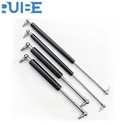
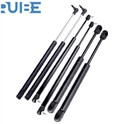
There are different types of gas springs suitable for wall beds. For instance, the Murphy Bed Gas Spring is specifically designed to meet the unique requirements of Murphy beds, which are a popular type of wall bed. These gas springs are engineered to handle the weight of the mattress and the bed frame, ensuring a stable and reliable operation. Another type is the Bonnet Gas Spring, which offers excellent performance and is known for its easy installation.
Factors Affecting the Lifespan of Gas Springs
The lifespan of a high - quality gas spring for a wall bed is influenced by several factors.
Quality of Materials
The materials used in the construction of the gas spring play a significant role in determining its lifespan. High - quality gas springs are typically made from premium materials such as stainless steel or high - grade alloys for the cylinder and piston rod. These materials are resistant to corrosion, wear, and tear, which helps to maintain the integrity of the gas spring over time. For example, a gas spring with a stainless - steel piston rod is less likely to rust, even in humid environments, ensuring smooth operation for a longer period.
Manufacturing Process
The manufacturing process also has a major impact on the lifespan. Precision manufacturing techniques ensure that the gas spring components fit together perfectly, reducing friction and wear. A well - manufactured gas spring will have a consistent internal pressure and a smooth movement, which are essential for long - term performance. For instance, advanced machining processes can produce a cylinder with a uniform inner diameter, allowing the piston to move freely without excessive resistance.
Frequency of Use
The frequency at which the wall bed is used is a key factor. If the wall bed is used daily, the gas spring will experience more cycles of compression and extension compared to a bed that is used only occasionally. Each cycle of movement subjects the gas spring to stress, and over time, this can lead to wear and tear. For example, a wall bed in a guest room that is used only a few times a year will likely have a longer - lasting gas spring than one in a master bedroom that is used every night.
Load Capacity
The weight of the mattress and the bed frame that the gas spring needs to support is another important consideration. If the gas spring is not properly sized for the load, it will be under excessive stress, which can significantly reduce its lifespan. For example, if a gas spring with a low load capacity is used to support a heavy mattress and bed frame, it may fail prematurely due to overloading.


Average Lifespan of High - Quality Gas Springs
On average, a high - quality gas spring for a wall bed can last between 10,000 to 100,000 cycles of operation. A cycle is defined as one complete movement of the gas spring, from full extension to full compression and back to full extension.
For a wall bed that is used daily, assuming an average of two cycles per day (one for folding up the bed and one for pulling it down), a gas spring with a lifespan of 10,000 cycles would last approximately 13.7 years (10,000 cycles / (2 cycles per day * 365 days per year)). On the other hand, a gas spring with a lifespan of 100,000 cycles would last around 137 years under the same usage conditions.
However, it's important to note that these are just estimates, and the actual lifespan can vary depending on the factors mentioned above. In real - world scenarios, factors such as improper installation, environmental conditions, and lack of maintenance can also affect the lifespan.
Maintenance and Care
Proper maintenance and care can significantly extend the lifespan of a gas spring for a wall bed.
Regular Cleaning
Regularly cleaning the gas spring can prevent the accumulation of dirt, dust, and debris, which can cause abrasion and damage to the components. A soft cloth can be used to wipe the surface of the gas spring, and a mild detergent can be used for more stubborn dirt. However, it's important to avoid using abrasive cleaners or solvents that can damage the finish of the gas spring.
Lubrication
Lubricating the moving parts of the gas spring can reduce friction and wear. A small amount of silicone - based lubricant can be applied to the piston rod and other moving components. This helps to ensure smooth operation and can prevent the gas spring from seizing up.
Inspection
Periodically inspecting the gas spring for signs of damage, such as leaks, dents, or corrosion, is essential. If any issues are detected, the gas spring should be replaced immediately to prevent further damage to the wall bed.
Comparison with Other Applications
Gas springs are also used in other applications, such as Gas Spring for Kitchen Cabinet. The lifespan of gas springs in kitchen cabinets may be different from those in wall beds. Kitchen cabinet gas springs are typically subjected to less stress and fewer cycles of operation compared to wall bed gas springs. However, they may be exposed to different environmental conditions, such as moisture and heat from cooking, which can also affect their lifespan.
Conclusion
In conclusion, the lifespan of a high - quality gas spring for a wall bed is influenced by multiple factors, including the quality of materials, manufacturing process, frequency of use, and load capacity. On average, a well - made gas spring can last between 10,000 to 100,000 cycles, but proper maintenance and care are crucial for maximizing its lifespan.
If you are in the market for gas springs for your wall bed, it's important to choose high - quality products from a reliable supplier. We are committed to providing top - notch gas springs that meet the highest standards of quality and performance. Whether you are a manufacturer looking for a bulk supply or an end - user in need of a replacement gas spring, we can offer you the right solution. Contact us to discuss your specific requirements and start a procurement negotiation.
References
- Gas Spring Handbook, Industry Standard Publication
- Research on the Durability of Mechanical Components in Furniture Applications, Academic Journal