Precisely adjusting the opening and closing force of a gas spring for a tool box is crucial for ensuring optimal functionality and user experience. As a dedicated supplier of gas springs for tool boxes, I understand the significance of this process and am here to share some valuable insights and practical tips.
Understanding Gas Springs for Tool Boxes
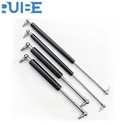
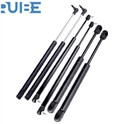
Before delving into the adjustment process, it's essential to have a basic understanding of gas springs and how they work. Gas springs, also known as gas struts, are mechanical components that use compressed gas to provide controlled motion and support. In the context of tool boxes, gas springs are typically used to assist in the opening and closing of the lid, making it easier and more convenient for users to access their tools.
Gas springs consist of a cylinder filled with compressed gas, usually nitrogen, and a piston rod that moves within the cylinder. When the piston rod is extended or retracted, the gas inside the cylinder is compressed or decompressed, respectively, creating a force that either assists or resists the movement. The amount of force generated by a gas spring depends on several factors, including the size of the cylinder, the pressure of the gas, and the stroke length of the piston rod.
Factors Affecting Opening and Closing Force
Several factors can affect the opening and closing force of a gas spring for a tool box. Understanding these factors is essential for making accurate adjustments and achieving the desired performance.
- Gas Pressure: The pressure of the gas inside the cylinder is one of the primary factors that determine the force generated by a gas spring. Higher gas pressure results in a stronger force, while lower gas pressure produces a weaker force.
- Cylinder Size: The size of the cylinder also plays a significant role in determining the force generated by a gas spring. Larger cylinders typically have a higher gas capacity and can generate more force than smaller cylinders.
- Stroke Length: The stroke length of the piston rod refers to the distance it can travel within the cylinder. Longer stroke lengths generally require more force to operate, while shorter stroke lengths require less force.
- Mounting Orientation: The mounting orientation of the gas spring can also affect its performance. Gas springs are designed to work optimally in specific orientations, and mounting them incorrectly can result in reduced force or uneven operation.
- Temperature: Temperature can have a significant impact on the performance of gas springs. As the temperature changes, the pressure of the gas inside the cylinder can also change, affecting the force generated by the gas spring.
Tools and Equipment Required
To adjust the opening and closing force of a gas spring for a tool box, you will need the following tools and equipment:
- Pressure Gauge: A pressure gauge is used to measure the pressure of the gas inside the cylinder. This tool is essential for making accurate adjustments to the gas pressure.
- Adjustment Tool: An adjustment tool is used to increase or decrease the pressure of the gas inside the cylinder. This tool typically consists of a valve that can be opened or closed to allow gas to enter or exit the cylinder.
- Wrenches: Wrenches are used to loosen and tighten the nuts and bolts that hold the gas spring in place. This tool is necessary for removing and installing the gas spring during the adjustment process.
- Safety Glasses and Gloves: Safety glasses and gloves are essential for protecting your eyes and hands from potential hazards during the adjustment process.
Step-by-Step Guide to Adjusting Opening and Closing Force
Now that you have a basic understanding of gas springs and the factors that affect their performance, let's walk through the step-by-step process of adjusting the opening and closing force of a gas spring for a tool box.
Step 1: Safety First
Before you begin the adjustment process, it's essential to take the necessary safety precautions. Wear safety glasses and gloves to protect your eyes and hands from potential hazards. Make sure the tool box is in a stable position and that the gas spring is not under any tension.
Step 2: Identify the Adjustment Valve
Most gas springs for tool boxes are equipped with an adjustment valve that allows you to increase or decrease the pressure of the gas inside the cylinder. The adjustment valve is typically located at one end of the gas spring and is marked with a small cap or plug.
Step 3: Measure the Current Pressure
Using a pressure gauge, measure the current pressure of the gas inside the cylinder. This will give you a baseline reading and help you determine how much adjustment is needed.
Step 4: Make Small Adjustments
Using the adjustment tool, make small adjustments to the pressure of the gas inside the cylinder. Turn the adjustment valve clockwise to increase the pressure and counterclockwise to decrease the pressure. Make sure to make small adjustments at a time and test the opening and closing force of the tool box lid after each adjustment.


Step 5: Test the Opening and Closing Force
After making a small adjustment to the pressure, test the opening and closing force of the tool box lid. Open and close the lid several times to ensure that it operates smoothly and that the force is evenly distributed. If the force is too strong or too weak, make another small adjustment and test again.
Step 6: Repeat the Process
Continue making small adjustments and testing the opening and closing force until you achieve the desired performance. It may take several adjustments to get the force just right, so be patient and take your time.
Step 7: Final Check
Once you are satisfied with the opening and closing force of the tool box lid, perform a final check to ensure that the gas spring is properly installed and that all the nuts and bolts are tightened securely.
Tips and Tricks for Precise Adjustment
Here are some additional tips and tricks to help you make precise adjustments to the opening and closing force of a gas spring for a tool box:
- Use a High-Quality Pressure Gauge: A high-quality pressure gauge will provide more accurate readings and make it easier to make precise adjustments.
- Make Small Adjustments: Making small adjustments at a time will help you avoid over-adjusting the pressure and ensure that you achieve the desired performance.
- Test the Force in Different Positions: Test the opening and closing force of the tool box lid in different positions to ensure that it operates smoothly and that the force is evenly distributed.
- Keep a Record of Your Adjustments: Keeping a record of your adjustments will help you track your progress and make it easier to replicate the results in the future.
- Seek Professional Help if Needed: If you are unsure how to adjust the opening and closing force of a gas spring for a tool box or if you encounter any problems during the adjustment process, seek professional help from a qualified technician.
Other Applications of Gas Springs
Gas springs are not only used in tool boxes but also in a wide range of other applications. Some of the common applications of gas springs include:
- Murphy Bed Gas Spring: Gas springs are used to assist in the opening and closing of Murphy beds, making them easier and more convenient to use.
- Bonnet Gas Struts: Gas struts are used to support the bonnet of cars and other vehicles, making it easier to open and close.
- Tailgate Gas Spring: Gas springs are used to assist in the opening and closing of tailgates on trucks and other vehicles, making them easier and more convenient to use.
Conclusion
Precisely adjusting the opening and closing force of a gas spring for a tool box is essential for ensuring optimal functionality and user experience. By understanding the factors that affect the force and following the step-by-step guide outlined in this article, you can make accurate adjustments and achieve the desired performance. If you have any questions or need further assistance, please don't hesitate to contact us. We are a leading supplier of gas springs for tool boxes and other applications, and we are committed to providing our customers with high-quality products and excellent customer service. Whether you are looking for a standard gas spring or a custom solution, we have the expertise and experience to meet your needs. Contact us today to discuss your requirements and learn more about our products and services.
References
- Gas Spring Technology Handbook, edited by Gas Spring Manufacturers Association
- Mechanical Design Handbook, edited by Myer Kutz