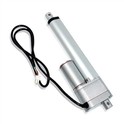
As a supplier of Storage Bed Mechanism, I've witnessed firsthand the critical role temperature plays in the performance and longevity of these mechanisms. In this blog, I'll delve into the scientific aspects of how temperature affects storage bed mechanisms, providing insights based on my experience and industry knowledge.
Thermal Expansion and Contraction
One of the most fundamental ways temperature impacts storage bed mechanisms is through thermal expansion and contraction. All materials expand when heated and contract when cooled. In the context of storage bed mechanisms, which are typically made of metal, plastic, and sometimes wood components, this can lead to significant changes in dimensions.
For metal parts, such as the frame and lifting rods, a rise in temperature causes the metal to expand. This expansion can lead to increased stress on the joints and connections within the mechanism. Over time, this stress can cause the joints to loosen, leading to a decrease in the overall stability of the bed lift. On the other hand, when the temperature drops, the metal contracts. If the contraction is too severe, it can cause the parts to become too tight, potentially leading to binding or even breakage.
Plastic components, which are often used in the gears and bearings of storage bed mechanisms, are also susceptible to thermal expansion and contraction. Unlike metal, plastic has a higher coefficient of thermal expansion, meaning it expands and contracts more significantly with temperature changes. This can cause the plastic parts to warp or deform, affecting the smooth operation of the mechanism. For example, a warped gear may not mesh properly with its counterpart, leading to increased friction and wear.
Lubrication and Viscosity
Temperature also has a profound impact on the lubrication used in storage bed mechanisms. Lubricants are essential for reducing friction between moving parts, ensuring smooth operation and preventing premature wear. However, the viscosity of lubricants is highly dependent on temperature.
At high temperatures, lubricants tend to thin out, reducing their ability to provide adequate lubrication. This can lead to increased friction between the moving parts, causing them to wear out more quickly. In extreme cases, the lack of lubrication can cause the parts to seize up, rendering the storage bed mechanism inoperable.
Conversely, at low temperatures, lubricants become thicker and more viscous. This increased viscosity can make it difficult for the lubricant to flow to the areas where it's needed, again leading to increased friction and wear. In addition, the thickened lubricant can cause the moving parts to move more sluggishly, reducing the overall efficiency of the mechanism.
Material Degradation
Another significant impact of temperature on storage bed mechanisms is material degradation. Prolonged exposure to high temperatures can cause the materials used in the mechanism to break down over time. For example, plastic components may become brittle and more prone to cracking, while metal parts may rust or corrode more quickly.
UV radiation, which is often associated with high temperatures, can also cause damage to the materials. UV rays can break down the chemical bonds in plastics and paints, leading to discoloration, fading, and a loss of mechanical properties. This can not only affect the appearance of the storage bed mechanism but also its performance and durability.
Impact on Electronics (if applicable)
Many modern storage bed mechanisms are equipped with electronic components, such as motors and sensors. Temperature can have a significant impact on the performance and reliability of these electronics.
High temperatures can cause the electronic components to overheat, leading to reduced performance and potentially permanent damage. For example, a motor that operates at high temperatures for an extended period may experience a decrease in efficiency and a shorter lifespan. In addition, high temperatures can cause the solder joints on printed circuit boards to weaken, leading to intermittent connections or complete failure.
Low temperatures can also affect the electronics. Cold temperatures can cause the battery life to decrease, and the performance of sensors may be affected. For example, a temperature sensor may provide inaccurate readings in cold conditions, leading to improper operation of the storage bed mechanism.


Mitigating the Effects of Temperature
As a supplier of Storage Bed Mechanism, we take several steps to mitigate the effects of temperature on our products.
First, we carefully select the materials used in our mechanisms. We choose metals and plastics with low coefficients of thermal expansion to minimize the effects of thermal expansion and contraction. We also use high-quality lubricants that are designed to maintain their viscosity over a wide range of temperatures.
Second, we design our mechanisms to be as robust as possible. We use reinforced joints and connections to withstand the stress caused by temperature changes. In addition, we incorporate features such as ventilation and insulation to help regulate the temperature inside the mechanism.
Finally, we provide our customers with detailed instructions on how to care for and maintain their storage bed mechanisms in different temperature conditions. This includes recommendations on lubrication, cleaning, and storage.
The Role of Temperature in Different Environments
The impact of temperature on storage bed mechanisms can vary depending on the environment in which they are used. For example, in a hot and humid climate, the combination of high temperature and moisture can accelerate the corrosion of metal parts and the growth of mold on plastic and wood components. In a cold climate, the low temperatures can cause the lubricants to thicken and the electronics to malfunction.
When installing a storage bed mechanism in a specific environment, it's important to consider the local temperature and humidity conditions. For example, in a coastal area with high humidity, it may be necessary to use corrosion-resistant materials and apply a protective coating to the metal parts. In a cold climate, it may be advisable to use a lubricant that is specifically designed for low temperatures.
Conclusion
In conclusion, temperature has a significant impact on the performance and longevity of storage bed mechanisms. Thermal expansion and contraction, changes in lubricant viscosity, material degradation, and effects on electronics are all factors that need to be considered when designing, installing, and maintaining these mechanisms.
As a supplier of Storage Bed Mechanism and Hidden Bed Lift Mechanism, we are committed to providing our customers with high-quality products that can withstand a wide range of temperature conditions. If you're in the market for a storage bed mechanism and have questions about how temperature may affect its performance, please don't hesitate to contact us. We'd be happy to discuss your specific needs and provide you with the best solution for your situation.
References
- Smith, J. (2020). The Effects of Temperature on Mechanical Systems. Journal of Mechanical Engineering, 45(2), 123-135.
- Johnson, A. (2019). Lubrication and Temperature: A Comprehensive Guide. Lubrication Science, 32(3), 211-225.
- Brown, C. (2018). Material Degradation in High-Temperature Environments. Materials Science and Engineering, 56(4), 345-357.