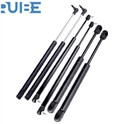
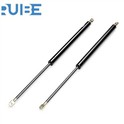
Hey there! As a supplier of Bonnet Gas Struts, I've seen firsthand how temperature can have a real impact on their performance. In this blog, I'm gonna break down how different temperatures can mess with these gas struts and what you can do about it.
Let's start with the basics. Bonnet Gas Struts are those handy little devices that help you open and close your vehicle's bonnet smoothly. They work by using compressed gas to provide the necessary force. But here's the thing: the gas inside these struts is sensitive to temperature changes.
When it gets really cold, say below freezing, the gas inside the strut contracts. This contraction reduces the pressure inside the strut, which means it has less force to push the bonnet open. You might notice that your bonnet is a bit sluggish to open in cold weather, or it might not open as wide as it usually does. It's like the strut is having a hard time waking up in the cold!
On the flip side, when it's super hot outside, the gas expands. This expansion increases the pressure inside the strut, making it more powerful. You might find that your bonnet pops open a bit too quickly in hot weather, or it could even be difficult to close because the strut is pushing too hard. It's like the strut has had a shot of caffeine!
These temperature - related performance changes aren't just annoying; they can also cause long - term damage to the gas struts. In cold temperatures, the seals on the strut can become brittle. If you try to force the bonnet open when the strut isn't working properly, you could end up cracking these seals. Once the seals are damaged, gas can leak out, and the strut will lose its effectiveness.
In hot temperatures, the increased pressure can put extra stress on the internal components of the strut. This can lead to premature wear and tear on the piston, the rod, and other parts. Over time, this can cause the strut to fail completely.
So, what can you do to mitigate these temperature effects? Well, if you live in an area with extreme cold, you can park your vehicle in a garage. This will keep the temperature around the gas struts more stable and prevent the gas from contracting too much. You can also give your vehicle a few minutes to warm up before trying to open the bonnet. This will allow the gas inside the strut to expand slightly and regain some of its normal pressure.
If you're in a hot climate, try to park in the shade as much as possible. This will prevent the struts from getting too hot and over - pressurized. You can also check the struts regularly for signs of damage, like leaks or excessive wear.

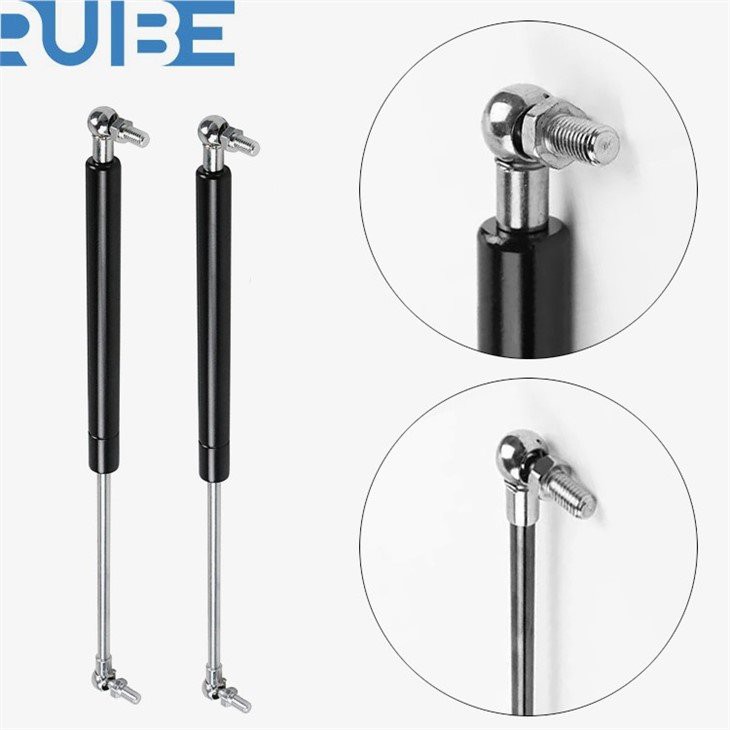
Now, let's talk about some other applications of gas springs. We also offer Gas Spring for Tanning Bed. These gas springs are designed to provide smooth and controlled movement for tanning beds. Just like Bonnet Gas Struts, temperature can affect their performance. In cold weather, the tanning bed might not adjust as easily, and in hot weather, it could adjust too quickly.
Another product we have is the Gas Spring for Tool Box. These gas springs make it easy to open and close tool boxes. Temperature changes can make the tool box either difficult to open or cause it to slam shut unexpectedly.
And don't forget about the Gas Lift for Furniture. These are used in chairs, desks, and other furniture pieces. Temperature can impact how smoothly the furniture adjusts, so it's important to keep this in mind.
As a supplier, I understand that you need reliable gas struts and springs for your applications. That's why we make sure to test our products under different temperature conditions to ensure they perform well in all environments. If you're in the market for Bonnet Gas Struts, Gas Springs for Tanning Beds, Tool Boxes, or Gas Lifts for Furniture, we're here to help. Whether you're dealing with extreme cold or sweltering heat, our products are designed to withstand the temperature challenges.
If you have any questions about our products, or if you're interested in a quote, don't hesitate to reach out. We're always happy to have a chat and help you find the right gas strut or spring for your needs. Let's work together to make sure your applications run smoothly, no matter what the temperature is outside.
References
- Engineering textbooks on gas dynamics and fluid mechanics
- Manufacturer's guides on gas strut performance and temperature effects