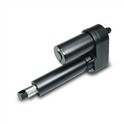
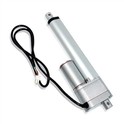
Energy efficiency is a crucial factor when it comes to evaluating the performance of a 12V linear actuator. As a supplier of 12V Linear Actuator, we understand the significance of energy efficiency in both cost - effectiveness and environmental sustainability. In this blog, we will delve into what energy efficiency means for a 12V linear actuator, the factors that affect it, and how it impacts different applications.
What is Energy Efficiency in a 12V Linear Actuator?
Energy efficiency in a 12V linear actuator refers to the ratio of the useful mechanical work output to the electrical energy input. In simpler terms, it measures how effectively the actuator converts electrical power into linear motion. A highly energy - efficient actuator will consume less electrical power to perform a given amount of work, resulting in lower energy costs and less heat generation.
The formula for calculating the energy efficiency (η) of an actuator is:
[ \eta=\frac{W_{out}}{W_{in}}\times100% ]
where (W_{out}) is the mechanical work output and (W_{in}) is the electrical energy input. The mechanical work output is typically measured in joules (J) and is a function of the force applied by the actuator and the distance it moves. The electrical energy input is also measured in joules and is calculated based on the voltage (in this case, 12V), current, and the time of operation.
Factors Affecting the Energy Efficiency of a 12V Linear Actuator
Motor Efficiency
The motor is the heart of a linear actuator. The efficiency of the motor plays a significant role in determining the overall energy efficiency of the actuator. DC motors used in 12V linear actuators can vary in efficiency depending on their design, construction, and quality. High - quality motors with low internal resistance and efficient magnetic circuits will convert a larger percentage of the electrical energy into mechanical energy, resulting in higher overall efficiency.
Friction
Friction within the actuator is another major factor affecting energy efficiency. Friction occurs between moving parts such as the screw, nut, and bearings. Higher friction means more energy is wasted in overcoming these resistive forces, reducing the useful work output. Actuators with well - lubricated and precisely machined components will have lower friction and thus higher energy efficiency.
Load
The load on the actuator also impacts its energy efficiency. When the actuator is operating under a light load, it generally consumes less power. However, as the load increases, the actuator has to work harder, and the power consumption rises. The relationship between load and energy efficiency is not always linear, and there is an optimal load range where the actuator operates most efficiently.
Control System
The control system of the actuator can also influence its energy efficiency. A well - designed control system can regulate the power supply to the actuator based on the load and the required speed. For example, pulse - width modulation (PWM) control can adjust the average voltage supplied to the motor, reducing power consumption when the full power is not needed.


Energy Efficiency in Different Applications
Linear Actuator for Trunk Lid
In the automotive industry, energy efficiency is of utmost importance. A 12V linear actuator used for opening and closing a trunk lid needs to operate efficiently to conserve the vehicle's battery power. An energy - efficient actuator will consume less power during each operation, ensuring that the battery has enough charge for other essential functions. Additionally, less heat generation due to high efficiency reduces the risk of component damage and extends the lifespan of the actuator.
Linear Actuator for Electric Sofa
In the furniture industry, energy efficiency is also a key consideration. A 12V linear actuator used in an electric sofa allows users to adjust the position of the sofa easily. An efficient actuator will consume less electricity, resulting in lower energy bills for the user. Moreover, a more efficient actuator means less heat is generated, which is beneficial for the comfort of the user and the longevity of the sofa's electrical components.
Measuring and Improving Energy Efficiency
Measuring Energy Efficiency
To measure the energy efficiency of a 12V linear actuator, one can use a power meter to measure the electrical power input and calculate the mechanical work output based on the force and distance. By conducting multiple tests under different load conditions, a more accurate assessment of the actuator's energy efficiency can be obtained.
Improving Energy Efficiency
- Motor Selection: Choose high - efficiency motors with low internal resistance and high power - to - weight ratios.
- Lubrication: Regularly lubricate the moving parts to reduce friction.
- Optimal Design: Design the actuator with minimal internal resistance and efficient mechanical transmission systems.
- Advanced Control Systems: Implement advanced control systems such as PWM to regulate power consumption.
The Business Case for Energy - Efficient 12V Linear Actuators
As a supplier of 12V linear actuators, we recognize the growing demand for energy - efficient products. Energy - efficient actuators not only benefit the end - users in terms of cost savings and environmental friendliness but also offer several advantages to businesses.
For manufacturers, producing energy - efficient actuators can enhance their brand image as environmentally responsible companies. It can also open up new markets and customer segments that prioritize energy efficiency. For distributors and resellers, offering energy - efficient products can give them a competitive edge in the market.
Conclusion
Energy efficiency is a critical aspect of 12V linear actuators. It affects the cost of operation, the lifespan of the actuator, and its environmental impact. By understanding the factors that influence energy efficiency and taking steps to measure and improve it, we can provide high - quality, energy - efficient actuators to our customers.
If you are interested in learning more about our 12V linear actuators or have any questions regarding energy efficiency, we encourage you to reach out to us for further discussion and potential procurement. We are committed to providing you with the best solutions tailored to your specific needs.
References
- "Electric Motors and Drives: Fundamentals, Types and Applications" by Austin Hughes
- "Mechanical Engineering Design" by Joseph Edward Shigley and Charles R. Mischke