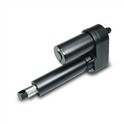
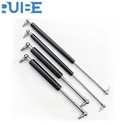
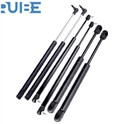
Adjusting the damping of a gas damper is a crucial skill that can significantly enhance the performance and functionality of various applications. As a reputable gas damper supplier, I understand the importance of providing clear guidance on this topic. In this blog post, I will share valuable insights on how to adjust the damping of a gas damper effectively.
Understanding Gas Dampers
Before delving into the adjustment process, it's essential to have a basic understanding of gas dampers. Gas dampers, also known as gas struts or gas springs, are mechanical devices that use compressed gas to provide resistance and control the movement of objects. They are commonly used in automotive, furniture, and industrial applications to ensure smooth and controlled motion.
Gas dampers consist of a cylinder filled with pressurized gas, a piston rod, and a seal. The gas pressure inside the cylinder determines the damping force, which can be adjusted to suit specific requirements. By adjusting the damping, you can control the speed, force, and smoothness of the movement.
Factors Affecting Damping
Several factors can influence the damping performance of a gas damper. Understanding these factors is crucial for making accurate adjustments. Here are some key factors to consider:


- Gas Pressure: The gas pressure inside the damper is the primary factor that determines the damping force. Higher gas pressure results in greater damping, while lower pressure reduces the damping effect.
- Piston Rod Diameter: The diameter of the piston rod affects the damping characteristics. A larger piston rod diameter generally provides more damping force.
- Oil Viscosity: Some gas dampers use oil to enhance damping performance. The viscosity of the oil can impact the damping characteristics, with higher viscosity oils providing more damping.
- Temperature: Temperature can affect the gas pressure and viscosity of the oil, which in turn can influence the damping performance. Extreme temperatures can cause the gas pressure to change, leading to inconsistent damping.
Tools Required for Adjustment
To adjust the damping of a gas damper, you will need the following tools:
- Wrench: A wrench is required to loosen and tighten the adjustment nut or valve on the gas damper.
- Pressure Gauge: A pressure gauge is used to measure the gas pressure inside the damper. This helps ensure that the damping adjustment is accurate.
- Allen Key: Some gas dampers may require an Allen key to access the adjustment mechanism.
Step-by-Step Guide to Adjusting Damping
Now that you have a basic understanding of gas dampers and the tools required, let's walk through the step-by-step process of adjusting the damping:
- Identify the Adjustment Mechanism: Different gas dampers may have different adjustment mechanisms. Some dampers have an adjustment nut or valve on the end of the cylinder, while others may require the use of an Allen key to access the adjustment screw. Refer to the manufacturer's instructions to locate the adjustment mechanism on your gas damper.
- Prepare the Damper: Before making any adjustments, ensure that the gas damper is in a safe and stable position. If possible, remove the damper from the application to make the adjustment process easier.
- Measure the Initial Gas Pressure: Use a pressure gauge to measure the initial gas pressure inside the damper. This will serve as a reference point for the adjustment process.
- Make Small Adjustments: Start by making small adjustments to the damping. If the damper is too stiff, loosen the adjustment nut or turn the adjustment screw counterclockwise to reduce the damping force. If the damper is too soft, tighten the adjustment nut or turn the adjustment screw clockwise to increase the damping force.
- Test the Damping: After making an adjustment, test the damping by applying a force to the damper and observing the movement. If the movement is too fast or too slow, make further adjustments until the desired damping performance is achieved.
- Re-measure the Gas Pressure: Once you are satisfied with the damping performance, re-measure the gas pressure inside the damper to ensure that it is within the recommended range.
- Secure the Adjustment: After making the final adjustment, tighten the adjustment nut or valve to secure the setting. Make sure that the adjustment mechanism is properly tightened to prevent any accidental changes.
Tips for Effective Damping Adjustment
Here are some additional tips to help you achieve optimal damping adjustment:
- Make Small Adjustments: It's important to make small adjustments at a time to avoid over-adjusting the damping. Making large adjustments can result in inconsistent damping performance.
- Test the Damping in Different Conditions: To ensure that the damping adjustment is suitable for all operating conditions, test the damper in different positions and under different loads. This will help you identify any potential issues and make necessary adjustments.
- Refer to the Manufacturer's Instructions: Always refer to the manufacturer's instructions for specific guidance on adjusting the damping of your gas damper. Different dampers may have different adjustment procedures and recommended settings.
- Seek Professional Help if Needed: If you are unsure about how to adjust the damping of your gas damper or if you encounter any problems during the adjustment process, seek professional help from a qualified technician.
Applications of Gas Dampers
Gas dampers are used in a wide range of applications, including:
- Automotive: Gas dampers are commonly used in automotive applications, such as car hoods, trunk lids, and suspension systems. They provide smooth and controlled motion, improving the overall performance and safety of the vehicle. Gas Damper for Car
- Furniture: Gas dampers are also widely used in furniture applications, such as cabinets, drawers, and chairs. They help to prevent slamming and ensure smooth opening and closing of furniture doors and drawers. Cabinet Gas Damper
- Industrial: Gas dampers are used in various industrial applications, such as machinery, equipment, and automation systems. They provide precise control of motion and help to reduce vibrations and noise.
Contact Us for Gas Damper Solutions
As a leading gas damper supplier, we offer a wide range of high-quality gas dampers for various applications. Our gas dampers are designed to provide reliable and consistent performance, and we can customize them to meet your specific requirements. If you are looking for a gas damper solution or need assistance with damping adjustment, please contact us. Our team of experts will be happy to help you find the right gas damper for your application and provide you with professional advice and support.
References
- Manufacturer's instructions for gas dampers
- Industry standards and guidelines for gas damper adjustment
- Technical literature on gas damper technology