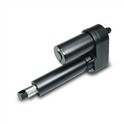
As a supplier of 24V linear actuators, I understand the importance of preventing over - travel in these devices. Over - travel can lead to a variety of problems, from mechanical damage to reduced lifespan and potential safety hazards. In this blog post, I'll share some effective strategies to prevent over - travel of a 24V linear actuator.
Understanding the Basics of 24V Linear Actuators
Before delving into prevention methods, it's crucial to have a basic understanding of 24V linear actuators. These actuators convert electrical energy into linear motion, which is widely used in various applications such as Linear Actuator for Tv Lift, where they are responsible for smoothly raising and lowering the TV. They are also commonly found in high - speed applications like High Speed Linear Actuator and heavy - duty scenarios like Heavy Duty Linear Actuator.
The working principle of a 24V linear actuator typically involves a motor that drives a lead screw or a belt, causing the actuator rod to extend or retract. When the actuator reaches its end - point, continued operation can result in over - travel.
Causes of Over - Travel
There are several reasons why over - travel might occur in a 24V linear actuator. One of the most common causes is a malfunction in the control system. If the control signal fails to stop the actuator at the correct position, the actuator will keep moving, leading to over - travel. Another cause could be mechanical wear and tear. Over time, components such as limit switches or sensors may become less accurate, causing the actuator to overshoot its intended position. Additionally, incorrect installation or improper calibration can also contribute to over - travel.
Preventive Measures
1. Use Limit Switches
Limit switches are one of the most effective ways to prevent over - travel. These switches are designed to detect when the actuator reaches its maximum or minimum extension and then send a signal to stop the motor. There are two main types of limit switches: mechanical and electronic.
Mechanical limit switches work by physically contacting a stop or a cam on the actuator. When the actuator reaches its end - point, the switch is triggered, breaking the electrical circuit and stopping the motor. These switches are simple and reliable, but they can be subject to wear and tear over time.
Electronic limit switches, on the other hand, use sensors such as proximity sensors or optical sensors to detect the position of the actuator. They are more precise and have a longer lifespan compared to mechanical limit switches. However, they are also more expensive.
When installing limit switches, it's important to ensure that they are correctly positioned and calibrated. Incorrect positioning can lead to false triggering or failure to stop the actuator at the right time.
2. Implement Soft Stop Functions
Soft stop functions can also help prevent over - travel. Instead of abruptly stopping the actuator when it reaches its end - point, a soft stop function gradually reduces the speed of the actuator as it approaches the limit. This not only prevents mechanical shock but also reduces the risk of over - travel.
Soft stop functions can be implemented through the control system. For example, the control system can be programmed to gradually reduce the voltage supplied to the motor as the actuator approaches its end - point. This causes the actuator to slow down smoothly before coming to a stop.
3. Regular Maintenance and Inspection
Regular maintenance and inspection are essential for preventing over - travel. This includes checking the condition of the limit switches, sensors, and other components of the actuator. Any signs of wear and tear should be addressed immediately.
During maintenance, it's also important to clean the actuator and lubricate moving parts. This helps to ensure smooth operation and reduces the risk of mechanical failure. Additionally, the actuator should be calibrated regularly to ensure that it is operating within the correct range.


4. Use Position Feedback Systems
Position feedback systems provide real - time information about the position of the actuator. This allows the control system to accurately monitor the movement of the actuator and stop it at the correct position.
There are several types of position feedback systems available, such as potentiometers, encoders, and linear variable differential transformers (LVDTs). Potentiometers are simple and inexpensive, but they have limited accuracy. Encoders are more accurate and can provide high - resolution position information. LVDTs are the most accurate but also the most expensive.
By using a position feedback system, the control system can continuously adjust the operation of the actuator to prevent over - travel.
5. Proper Installation and Calibration
Proper installation and calibration are crucial for preventing over - travel. When installing the actuator, it's important to ensure that it is mounted securely and aligned correctly. Any misalignment can cause the actuator to bind or move unevenly, increasing the risk of over - travel.
Calibration involves setting the correct end - points for the actuator. This can be done using the limit switches or the position feedback system. During calibration, the actuator should be extended and retracted several times to ensure that the end - points are accurately set.
Monitoring and Troubleshooting
Even with preventive measures in place, it's still important to monitor the operation of the 24V linear actuator regularly. This can be done through the control system, which can provide information about the position, speed, and current consumption of the actuator.
If over - travel occurs, it's important to troubleshoot the problem immediately. Start by checking the limit switches and sensors to ensure that they are working correctly. If the limit switches are functioning properly, the problem may be with the control system or the actuator itself. In this case, it may be necessary to consult a professional technician for further diagnosis and repair.
Conclusion
Preventing over - travel of a 24V linear actuator is essential for ensuring its reliable operation and longevity. By using limit switches, implementing soft stop functions, performing regular maintenance and inspection, using position feedback systems, and ensuring proper installation and calibration, you can significantly reduce the risk of over - travel.
If you are interested in purchasing high - quality 24V linear actuators or need more information about preventing over - travel, please feel free to contact us for procurement and negotiation. We are committed to providing you with the best products and services.
References
- "Linear Actuator Handbook", published by a leading industry association.
- Technical documents provided by actuator manufacturers.
- Research papers on linear actuator control and safety.