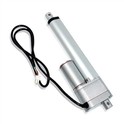
Hey there! As a supplier of linear actuators, I've seen firsthand how crucial reliability is in these devices. Whether you're using them in industrial settings, home appliances, or even in DIY projects, a reliable linear actuator can make all the difference. In this blog post, I'm gonna share some tips on how to improve the reliability of a linear actuator.
1. Choose the Right Linear Actuator for the Job
The first step in ensuring reliability is to pick the right linear actuator for your specific application. There are many different types and models available, each designed for different loads, speeds, and environments.
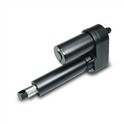
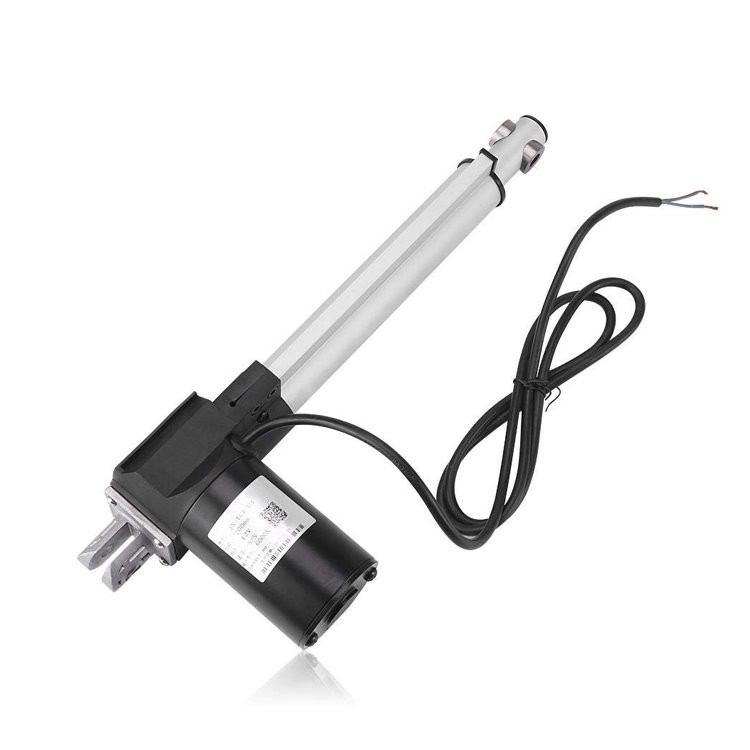
For heavy - duty applications, you might want to check out our Heavy Duty Linear Actuator. These actuators are built to handle large loads and continuous use. They usually have stronger motors, more robust gears, and better - quality materials, which all contribute to their reliability.
If you're looking to use a linear actuator for a door opener, our Linear Actuator for Door Opener is a great choice. It's designed to work smoothly and quietly, with features that prevent jamming and ensure long - term operation.
And for those who are into electric sofas, our Linear Actuator for Electric Sofa is specifically engineered to provide the right amount of force and precision for adjusting the sofa's position.
2. Proper Installation
Even the best linear actuator can fail if it's not installed correctly. Here are some installation tips to improve reliability:
- Follow the Manufacturer's Instructions: This might seem obvious, but it's often overlooked. The manufacturer's instructions are there for a reason. They'll tell you how to mount the actuator properly, how to connect the power and control wires, and any other important details.
- Ensure Proper Alignment: Misalignment can put extra stress on the actuator's components, leading to premature wear and failure. Make sure the actuator is aligned correctly with the load it's moving. This might require using shims or other alignment tools.
- Use the Right Mounting Hardware: Using the wrong mounting hardware can cause the actuator to loosen over time or not hold up under the load. Always use the hardware recommended by the manufacturer.
3. Regular Maintenance
Just like any other mechanical device, linear actuators need regular maintenance to stay reliable. Here are some maintenance tasks you should perform:
- Lubrication: Many linear actuators have moving parts that need to be lubricated. Check the manufacturer's recommendations for the type of lubricant to use and how often to apply it. Proper lubrication reduces friction, which in turn reduces wear and heat generation.
- Cleaning: Keep the actuator clean from dirt, dust, and debris. These contaminants can get into the actuator's mechanism and cause damage. Use a soft brush or compressed air to clean the actuator regularly.
- Inspection: Periodically inspect the actuator for signs of wear, such as loose parts, cracked housing, or frayed wires. If you notice any issues, address them immediately to prevent further damage.
4. Control and Monitoring
Proper control and monitoring can also improve the reliability of a linear actuator.
- Use a Suitable Controller: The controller is responsible for regulating the actuator's movement. Make sure you use a controller that's compatible with your actuator and can provide the right amount of power and control signals.
- Implement Overload Protection: Overloading an actuator can cause it to fail quickly. Install an overload protection device that will shut off the power to the actuator if it exceeds its rated load.
- Monitor Performance: You can use sensors to monitor the actuator's performance, such as its position, speed, and temperature. By keeping an eye on these parameters, you can detect any potential problems early and take corrective action.
5. Environmental Considerations
The environment in which the linear actuator operates can have a big impact on its reliability.
- Temperature and Humidity: Extreme temperatures and high humidity can damage the actuator's components. If the actuator is going to be used in a harsh environment, consider using a model that's designed to withstand these conditions. For example, some actuators have a sealed housing to protect against moisture.
- Dust and Chemicals: If the actuator is exposed to dust or chemicals, it can corrode or clog the moving parts. Use protective covers or enclosures to shield the actuator from these contaminants.
6. Training and Education
If your employees or users are going to be working with the linear actuator, make sure they're properly trained. They should know how to operate the actuator safely and correctly, how to perform basic maintenance tasks, and what to do in case of a problem.
7. Quality Components and Materials
When manufacturing linear actuators, using high - quality components and materials is essential for reliability. At our company, we source the best materials and components from trusted suppliers. This ensures that our actuators are built to last and can perform reliably under various conditions.
8. Testing and Quality Assurance
Before shipping out our linear actuators, we perform rigorous testing and quality assurance procedures. This includes testing the actuator's performance under different loads and conditions, checking its electrical and mechanical properties, and ensuring that it meets all the relevant standards and specifications.
Conclusion
Improving the reliability of a linear actuator involves a combination of choosing the right product, proper installation, regular maintenance, and taking environmental factors into account. By following these tips, you can ensure that your linear actuator operates smoothly and reliably for a long time.
If you're in the market for a reliable linear actuator or have any questions about improving the reliability of your existing actuator, don't hesitate to contact us. We're here to help you find the best solution for your needs and ensure that you get the most out of your linear actuator.

References
- Linear Actuator Handbook: A comprehensive guide on linear actuators, covering topics such as design, operation, and maintenance.
- Manufacturer's Documentation: The official documentation provided by the linear actuator manufacturer, which includes installation instructions, technical specifications, and maintenance guidelines.