Hey there! As a supplier of linear actuators, I often get asked about the static load capacity of these nifty devices. So, I thought I'd take a few minutes to break it down for you.
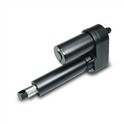
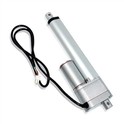
First things first, what exactly is a linear actuator? Well, it's a device that converts rotational motion into linear motion. In simpler terms, it's a motorized mechanism that can push, pull, lift, or lower objects in a straight line. Linear actuators are used in a wide range of applications, from industrial machinery to home automation systems.
Now, let's talk about static load capacity. Static load capacity refers to the maximum amount of weight or force that a linear actuator can support when it's not in motion. In other words, it's the amount of weight that the actuator can hold in place without moving or failing. This is an important specification to consider when choosing a linear actuator for your application, as it determines the actuator's ability to handle the load requirements of your project.
There are several factors that can affect the static load capacity of a linear actuator. One of the most important factors is the size and design of the actuator. Generally speaking, larger actuators with more robust construction are capable of supporting higher static loads than smaller, more lightweight actuators. Another important factor is the type of motor and gearbox used in the actuator. Actuators with more powerful motors and high-quality gearboxes are typically able to handle higher loads than those with less powerful components.
The mounting configuration of the actuator can also have an impact on its static load capacity. Actuators that are mounted in a way that distributes the load evenly across the actuator's body are generally able to support higher loads than those that are mounted in a way that places the load on a single point or area. Additionally, the type of load being applied to the actuator can also affect its static load capacity. For example, a static load that is applied in a straight line is generally easier for an actuator to handle than a load that is applied at an angle or with a twisting force.
So, how do you determine the static load capacity of a linear actuator? Well, most manufacturers will provide this information in the actuator's specifications. The static load capacity is typically listed in pounds or kilograms, and it represents the maximum amount of weight or force that the actuator can support when it's not in motion. It's important to note that the static load capacity is just one of many factors to consider when choosing a linear actuator for your application. Other important factors include the actuator's speed, stroke length, and duty cycle.
When selecting a linear actuator for your project, it's important to choose an actuator that has a static load capacity that is sufficient to handle the load requirements of your application. If you choose an actuator with a static load capacity that is too low, the actuator may not be able to support the load, which could result in the actuator failing or malfunctioning. On the other hand, if you choose an actuator with a static load capacity that is too high, you may end up paying more for the actuator than you need to, and the actuator may be larger and heavier than necessary for your application.


At our company, we offer a wide range of linear actuators with different static load capacities to meet the needs of various applications. Whether you're looking for a Linear Actuator for Door Opener that can support a heavy door, a Mini Linear Actuator for a small-scale project, or a High Speed Linear Actuator for a high-performance application, we've got you covered.
Our team of experts is always available to help you choose the right linear actuator for your project. We can provide you with detailed information about the static load capacity and other specifications of our actuators, and we can help you determine which actuator is best suited for your specific needs. So, if you're in the market for a linear actuator, don't hesitate to reach out to us. We'd love to help you find the perfect solution for your project.
In conclusion, the static load capacity of a linear actuator is an important specification to consider when choosing an actuator for your application. It determines the actuator's ability to handle the load requirements of your project, and it's important to choose an actuator with a static load capacity that is sufficient to meet your needs. At our company, we offer a wide range of linear actuators with different static load capacities to meet the needs of various applications, and our team of experts is always available to help you choose the right actuator for your project. So, if you're looking for a high-quality linear actuator, look no further. Contact us today to learn more about our products and services.
References:
- Manufacturer specifications of linear actuators
- Industry standards and guidelines for linear actuators