In the intricate world of mechanical systems, every component plays a crucial role in ensuring smooth operation, efficiency, and safety. One such component that often goes unnoticed but is of significant importance is the gas damper. As a leading gas damper supplier, I've witnessed firsthand the transformative impact these devices can have across various industries. In this blog, I'll delve into the functions of gas dampers in mechanical systems, exploring their applications, benefits, and why they are an indispensable part of modern engineering.
Understanding Gas Dampers
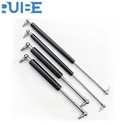
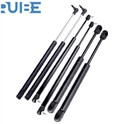
Before we dive into their functions, let's first understand what gas dampers are. A gas damper, also known as a gas spring or gas strut, is a type of hydraulic device that uses compressed gas, typically nitrogen, to provide controlled motion and force. It consists of a cylinder filled with gas, a piston rod, and a seal. When the piston rod is pushed into the cylinder, the gas is compressed, storing energy. This stored energy can then be released to provide a controlled force when the piston rod is extended.
The Primary Functions of Gas Dampers in Mechanical Systems
1. Motion Control
One of the primary functions of gas dampers in mechanical systems is motion control. They are used to regulate the movement of various components, ensuring smooth, controlled, and predictable motion. For example, in automotive applications, gas dampers are used in the suspension system to absorb shocks and vibrations from the road surface. This helps to provide a comfortable ride for passengers and improves the handling and stability of the vehicle.
In industrial machinery, gas dampers are used to control the movement of heavy doors, lids, and hatches. They ensure that these components open and close smoothly, without slamming or causing damage. This not only improves the safety of the equipment but also extends its lifespan.
2. Energy Absorption
Gas dampers are also excellent at absorbing energy. When a mechanical system experiences sudden shocks or impacts, the gas damper can absorb the energy and dissipate it in a controlled manner. This helps to protect the system from damage and reduces the risk of failure.
For instance, in construction equipment, gas dampers are used in the cab suspension system to absorb the shock and vibration caused by rough terrain. This not only improves the comfort of the operator but also protects the cab and its components from damage.
3. Load Support
Another important function of gas dampers is load support. They can be used to support heavy loads and provide a counterbalance to the weight of the object. This makes it easier to move and manipulate heavy components, reducing the amount of force required.
In furniture applications, gas dampers are used to support the weight of chairs and tables, allowing them to be adjusted easily. They also provide a smooth and controlled movement, ensuring that the furniture remains stable and safe.
4. Noise and Vibration Reduction
Gas dampers can also help to reduce noise and vibration in mechanical systems. By absorbing shocks and vibrations, they prevent them from being transmitted to other parts of the system, which can cause noise and damage.


In HVAC systems, gas dampers are used to control the flow of air and reduce the noise generated by the system. They ensure that the air is distributed evenly and quietly, improving the comfort of the occupants.
Applications of Gas Dampers
Gas dampers have a wide range of applications across various industries. Some of the most common applications include:
1. Automotive Industry
In the automotive industry, gas dampers are used in the suspension system, hoods, trunk lids, and seats. They provide a smooth and comfortable ride, improve handling and stability, and enhance the safety of the vehicle. Gas Damper for Car
2. Furniture Industry
In the furniture industry, gas dampers are used in chairs, tables, cabinets, and beds. They provide a smooth and controlled movement, allowing the furniture to be adjusted easily. They also help to reduce noise and vibration, improving the comfort of the user. Cabinet Gas Damper
3. Industrial Machinery
In industrial machinery, gas dampers are used in heavy doors, lids, hatches, and conveyors. They ensure that these components open and close smoothly, without slamming or causing damage. They also help to reduce noise and vibration, improving the safety and efficiency of the equipment.
4. Aerospace Industry
In the aerospace industry, gas dampers are used in aircraft doors, landing gear, and control surfaces. They provide a smooth and controlled movement, ensuring the safety and reliability of the aircraft.
Benefits of Using Gas Dampers
There are several benefits of using gas dampers in mechanical systems. Some of the key benefits include:
1. Improved Safety
Gas dampers help to improve the safety of mechanical systems by providing a smooth and controlled movement. They prevent components from slamming or causing damage, reducing the risk of injury to operators and users.
2. Enhanced Comfort
Gas dampers can help to enhance the comfort of mechanical systems by reducing noise and vibration. They provide a smooth and stable ride, improving the overall experience for users.
3. Increased Efficiency
Gas dampers can help to increase the efficiency of mechanical systems by reducing the amount of force required to move heavy components. They also help to extend the lifespan of the equipment, reducing maintenance costs.
4. Customizability
Gas dampers can be customized to meet the specific requirements of different applications. They can be designed to provide different levels of force, stroke length, and damping characteristics, ensuring optimal performance.
Why Choose Our Gas Dampers
As a leading gas damper supplier, we offer a wide range of high-quality gas dampers that are designed to meet the needs of various industries. Our gas dampers are manufactured using the latest technology and highest quality materials, ensuring reliability and durability.
We also offer customized solutions to meet the specific requirements of our customers. Our team of experienced engineers can work with you to design and develop gas dampers that are tailored to your application.
In addition, we provide excellent customer service and support. We are committed to ensuring that our customers are satisfied with our products and services, and we will do everything we can to meet their needs.
Contact Us for Procurement and Negotiation
If you're interested in learning more about our gas dampers or would like to discuss your specific requirements, please don't hesitate to contact us. Our team of experts is ready to assist you with your procurement needs and negotiate the best possible terms for your purchase.
References
- Norton, Robert L. "Machine Design: An Integrated Approach." Pearson, 2012.
- Shigley, Joseph E., et al. "Mechanical Engineering Design." McGraw-Hill Education, 2019.
- Maitra, Subir K. "Gas Springs: Design, Selection, and Application." Elsevier, 2008.