


Hey there! As a supplier of 12V linear actuators, I'm super stoked to talk about how to keep you safe when using these nifty devices. 12V linear actuators are pretty awesome. They're used in all sorts of cool stuff like Linear Actuator for Standing Desk, Linear Actuator for Electric Sofa, and Heavy Duty Linear Actuator. But like any piece of equipment, you gotta know how to use them safely. So, let's dive right in!
1. Choose the Right Actuator for the Job
First things first, you can't just pick any old 12V linear actuator and expect it to work perfectly for your project. You need to match the actuator's capabilities with the requirements of your application. For example, if you're building a standing desk, you'll want an actuator that can handle the weight of your desk and any items you might put on it. Check the load capacity of the actuator. It's usually listed in the product specifications. You don't want to overload the actuator, as that can lead to all sorts of problems, like overheating, reduced lifespan, and even safety hazards.
Also, think about the stroke length. That's how far the actuator can extend. Make sure it's long enough for your needs. If you need the desk to go up and down a certain distance, the actuator's stroke length should cover that range. And don't forget about the speed. Some applications might need a fast-moving actuator, while others work better with a slower one.
2. Installation Matters
Once you've got the right actuator, it's time to install it. And let me tell you, proper installation is key to safety. Start by reading the installation instructions carefully. Yeah, I know they can be a bit boring, but trust me, they're there for a reason. They'll tell you exactly how to mount the actuator, connect the wires, and make sure everything is in place.
When mounting the actuator, use the right hardware. Make sure the mounting brackets are strong enough to hold the actuator securely. You don't want it coming loose while it's in use. And when connecting the wires, double-check the polarity. A 12V linear actuator usually has a positive and a negative wire, and if you get them mixed up, it might not work properly or could even be damaged.
It's also a good idea to install the actuator in a location where it won't be easily damaged. Avoid areas where it could get bumped into or exposed to excessive heat or moisture. If you're using it in a wet environment, make sure it's a waterproof or water-resistant model.
3. Electrical Safety
Since we're dealing with electricity here, electrical safety is a big deal. First, always disconnect the power source before installing or servicing the actuator. This might seem obvious, but you'd be surprised how many people forget this simple step. It can prevent electrical shocks and damage to the actuator.
When connecting the actuator to a power supply, use a suitable power source with the correct voltage. In this case, it's a 12V power supply. Using a power source with the wrong voltage can fry the actuator or cause it to malfunction. And make sure the power supply can handle the current requirements of the actuator. You can find the current rating in the product specifications.
Another important thing is to use proper wiring. The wires should be of the right gauge to handle the current without overheating. And make sure the connections are tight and secure. Loose connections can cause arcing, which is not only a fire hazard but can also damage the actuator.
4. Maintenance and Inspection
Regular maintenance and inspection can go a long way in ensuring the safety of your 12V linear actuator. Start by keeping the actuator clean. Dust and debris can build up on the actuator and affect its performance. You can use a soft brush or compressed air to clean it. Just make sure you don't damage any of the components.
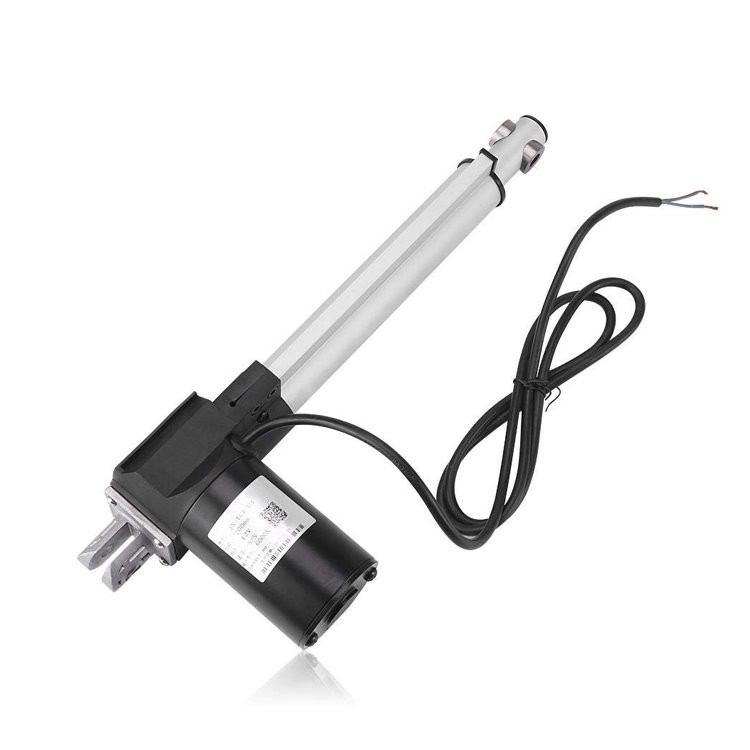
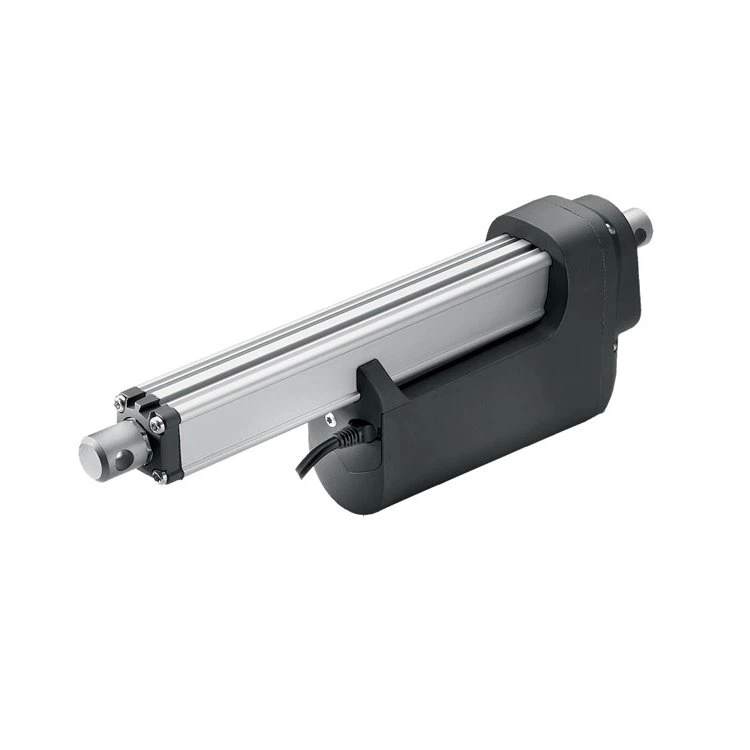
Inspect the actuator regularly for signs of wear and tear. Check the mounting brackets to make sure they're still secure. Look for any cracks or damage to the body of the actuator. And pay attention to the moving parts. If you notice any unusual noises or movements, it could be a sign of a problem.
Lubrication is also important. Some actuators require periodic lubrication to keep the moving parts running smoothly. Check the manufacturer's recommendations for the type of lubricant to use and how often to apply it.
5. Training and User Awareness
If you're using the 12V linear actuator in a business or industrial setting, it's important to train your employees on how to use it safely. Make sure they understand the potential hazards and how to avoid them. Provide them with clear instructions on how to operate the actuator and what to do in case of an emergency.
Even if it's for personal use, you should still be aware of the safety precautions. Read the user manual thoroughly and follow the guidelines. Don't try to modify the actuator without proper knowledge and experience. Modifying the actuator can void the warranty and, more importantly, can create safety risks.
6. Overload and Overheat Protection
Most modern 12V linear actuators come with built-in overload and overheat protection. These features are designed to shut off the actuator if it's overloaded or if it gets too hot. It's important to understand how these protections work and make sure they're functioning properly.
If the actuator shuts off due to an overload or overheat, don't just try to turn it back on right away. Find out what caused the problem. It could be an issue with the load, the power supply, or something else. Fix the problem before restarting the actuator.
7. Emergency Stop and Safety Switches
Consider installing an emergency stop button or safety switches. These can be a real lifesaver in case something goes wrong. The emergency stop button allows you to quickly shut off the actuator in an emergency situation. Safety switches can be used to detect abnormal conditions, like when the actuator is blocked or if there's a sudden change in load.
Make sure the emergency stop button and safety switches are easily accessible and clearly marked. And test them regularly to make sure they're working properly.
In Conclusion
Ensuring the safety of using a 12V linear actuator is all about taking the right precautions. From choosing the right actuator to proper installation, electrical safety, maintenance, training, and adding safety features, every step plays a crucial role.
If you're in the market for a high-quality 12V linear actuator, we've got you covered. We offer a wide range of actuators suitable for various applications, including those for standing desks, electric sofas, and heavy-duty tasks. If you have any questions or are interested in a purchase, feel free to reach out to us for a more in-depth discussion and to start the procurement process.
References
- Manufacturer's manuals for 12V linear actuators
- Safety guidelines for electrical equipment
- Industry standards for linear actuator usage and safety


