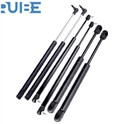
Determining the number of cabinet gas dampers you need for your cabinet is a crucial step in ensuring its optimal functionality and longevity. As a trusted Cabinet Gas Damper supplier, I understand the importance of providing accurate guidance to help you make informed decisions. In this blog post, I'll delve into the factors that influence the quantity of gas dampers required and offer practical tips to help you calculate the right amount for your specific cabinet.
Understanding the Role of Cabinet Gas Dampers
Before we dive into the calculations, let's briefly review the purpose of cabinet gas dampers. These innovative devices are designed to provide smooth and controlled movement for cabinet doors and drawers. By using hydraulic or pneumatic technology, gas dampers absorb and dissipate the energy generated when opening and closing the cabinet, preventing slamming and reducing wear and tear on the hinges and other components. This not only enhances the user experience but also extends the lifespan of the cabinet.
Factors Affecting the Number of Gas Dampers
Several factors come into play when determining how many cabinet gas dampers you need. Let's take a closer look at each of these factors:
Cabinet Size and Weight
The size and weight of your cabinet are perhaps the most significant factors influencing the number of gas dampers required. Larger and heavier cabinets put more stress on the hinges and require additional support to ensure smooth operation. As a general rule of thumb, the heavier the cabinet, the more gas dampers you'll need. For example, a small, lightweight cabinet may only require one gas damper per door or drawer, while a large, heavy cabinet may need two or more.
Door and Drawer Configuration
The configuration of your cabinet doors and drawers also plays a role in determining the number of gas dampers. For instance, cabinets with multiple doors or drawers may require more gas dampers to ensure consistent performance across all units. Additionally, the type of hinge or slide mechanism used in the cabinet can affect the number of gas dampers needed. Some hinges and slides are designed to work in conjunction with gas dampers, while others may require additional support.
Usage and Frequency
The frequency of use and the intended application of the cabinet are also important considerations. Cabinets that are used frequently or in high-traffic areas may require more gas dampers to withstand the increased wear and tear. Similarly, cabinets that are used for heavy-duty applications, such as storing tools or equipment, may need additional support to ensure smooth operation.
Desired Level of Performance
Finally, your desired level of performance will also influence the number of gas dampers you need. If you're looking for a high level of smoothness and control, you may want to consider using more gas dampers than the minimum required. On the other hand, if you're on a budget or don't require a high level of performance, you may be able to get away with using fewer gas dampers.
Calculating the Number of Gas Dampers
Now that we've discussed the factors that affect the number of gas dampers, let's take a look at how to calculate the right amount for your specific cabinet. While there's no one-size-fits-all formula, the following steps can help you determine the appropriate number of gas dampers:
Step 1: Measure the Cabinet
The first step is to measure the size and weight of your cabinet. Use a tape measure to determine the height, width, and depth of the cabinet, as well as the weight of the doors and drawers. This information will help you determine the appropriate size and capacity of the gas dampers you need.


Step 2: Determine the Door and Drawer Configuration
Next, take a look at the configuration of your cabinet doors and drawers. Note the number of doors and drawers, as well as the type of hinge or slide mechanism used. This information will help you determine the number of gas dampers needed for each unit.
Step 3: Consider the Usage and Frequency
Think about how often the cabinet will be used and the intended application. If the cabinet will be used frequently or in a high-traffic area, you may want to consider using more gas dampers to ensure consistent performance. Similarly, if the cabinet will be used for heavy-duty applications, you may need additional support to ensure smooth operation.
Step 4: Consult the Manufacturer's Guidelines
Once you have all the necessary information, consult the manufacturer's guidelines for the gas dampers you're considering. The manufacturer's guidelines will provide specific recommendations based on the size, weight, and configuration of your cabinet. Follow these recommendations to ensure that you're using the appropriate number of gas dampers for your specific application.
Step 5: Make Adjustments as Needed
Finally, make any necessary adjustments based on your desired level of performance. If you're looking for a high level of smoothness and control, you may want to consider using more gas dampers than the minimum required. On the other hand, if you're on a budget or don't require a high level of performance, you may be able to get away with using fewer gas dampers.
Examples of Gas Damper Calculations
To illustrate how to calculate the number of gas dampers, let's take a look at a few examples:
Example 1: Small, Lightweight Cabinet
Suppose you have a small, lightweight cabinet with a single door. The cabinet measures 24 inches wide, 30 inches tall, and 12 inches deep, and the door weighs approximately 10 pounds. Based on the manufacturer's guidelines, a single gas damper with a capacity of 10-15 pounds should be sufficient for this application.
Example 2: Large, Heavy Cabinet
Now, let's consider a large, heavy cabinet with two doors. The cabinet measures 36 inches wide, 72 inches tall, and 24 inches deep, and each door weighs approximately 30 pounds. Based on the manufacturer's guidelines, two gas dampers with a capacity of 30-40 pounds should be used for each door, for a total of four gas dampers.
Example 3: Cabinet with Multiple Drawers
Finally, let's look at a cabinet with multiple drawers. The cabinet measures 36 inches wide, 30 inches tall, and 18 inches deep, and each drawer weighs approximately 15 pounds. Based on the manufacturer's guidelines, one gas damper with a capacity of 15-20 pounds should be used for each drawer.
Additional Considerations
In addition to calculating the number of gas dampers, there are a few other considerations to keep in mind when selecting and installing gas dampers:
Compatibility
Make sure the gas dampers you choose are compatible with the type of hinge or slide mechanism used in your cabinet. Some gas dampers are designed to work with specific types of hinges or slides, while others are more versatile.
Installation
Proper installation is crucial for ensuring the optimal performance of gas dampers. Follow the manufacturer's instructions carefully and use the appropriate tools and hardware. If you're not comfortable installing the gas dampers yourself, consider hiring a professional installer.
Maintenance
Regular maintenance is essential for keeping gas dampers in good working condition. Clean the gas dampers periodically to remove dirt and debris, and lubricate the moving parts as needed. If you notice any signs of wear or damage, replace the gas dampers immediately.
Conclusion
Determining the number of cabinet gas dampers you need for your cabinet is a critical step in ensuring its optimal functionality and longevity. By considering the factors discussed in this blog post and following the steps outlined above, you can calculate the right amount of gas dampers for your specific application. As a Cabinet Gas Damper supplier, I'm here to help you every step of the way. If you have any questions or need further assistance, please don't hesitate to [contact us for procurement and negotiation]. We offer a wide range of high-quality Cabinet Gas Damper products to meet your needs and budget.
References
- Manufacturer's guidelines for cabinet gas dampers
- Industry standards and best practices for cabinet hardware installation
- Technical resources and articles on cabinet design and functionality