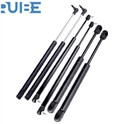
Can gas dampers be used in medical equipment? This is a question that has been gaining increasing attention in both the medical and engineering fields. As a gas damper supplier, I have been closely observing the potential applications of gas dampers in various industries, and the medical sector is no exception. In this blog post, I will explore the feasibility and benefits of using gas dampers in medical equipment, based on scientific knowledge and practical experience.


Understanding Gas Dampers
Before delving into their potential use in medical equipment, it's essential to understand what gas dampers are. Gas dampers, also known as gas springs or gas struts, are mechanical devices that use compressed gas to provide a controlled force. They consist of a cylinder filled with gas (usually nitrogen), a piston rod, and a seal. When the piston rod is pushed or pulled, the gas inside the cylinder is compressed or expanded, generating a force that can be used to support, lift, or dampen motion.
Gas dampers offer several advantages over traditional mechanical springs. They provide a smooth and consistent force throughout their stroke, which can be precisely adjusted to meet specific requirements. They are also more durable and require less maintenance, making them suitable for long - term use in various applications. For example, Cabinet Gas Damper is commonly used in furniture and cabinets to ensure smooth opening and closing, while Gas Damper for Car is used in automotive applications for hoods and trunks.
Potential Applications in Medical Equipment
1. Hospital Beds
Hospital beds need to be adjustable in multiple positions to provide comfort for patients and convenience for medical staff. Gas dampers can be used to control the movement of the bed's head, foot, and height adjustment mechanisms. For instance, when raising or lowering the head of the bed, a gas damper can provide a smooth and controlled motion, preventing sudden jerks that could be uncomfortable or even harmful to the patient. The adjustable force of the gas damper allows for easy adjustment according to the weight and specific needs of different patients.
2. Medical Cabinets
Medical cabinets are used to store various medical supplies, instruments, and medications. Gas dampers can be installed on the cabinet doors to ensure gentle opening and closing. This is particularly important in a medical environment where quiet operation is desired to avoid disturbing patients. The dampening effect of the gas damper also helps to prevent the doors from slamming shut, which could damage the contents inside the cabinet.
3. Diagnostic Equipment
Some diagnostic equipment, such as X - ray machines and ultrasound scanners, may require precise movement and positioning. Gas dampers can be used to support and control the movement of the equipment's components, such as the arm or the scanning head. By providing a stable and controlled force, gas dampers can improve the accuracy of the diagnostic process and reduce the risk of misalignment.
4. Surgical Tables
Surgical tables need to be adjustable to different positions during an operation. Gas dampers can be incorporated into the table's adjustment mechanisms to provide smooth and reliable movement. They can also help to maintain the table's position during the surgery, ensuring the stability required for precise surgical procedures.
Advantages of Using Gas Dampers in Medical Equipment
1. Safety
Safety is of utmost importance in medical equipment. Gas dampers provide a controlled and predictable force, reducing the risk of sudden movements or failures. For example, in hospital beds, a malfunctioning mechanical spring could cause the bed to collapse suddenly, which is extremely dangerous for the patient. Gas dampers, on the other hand, are designed to operate smoothly and reliably, minimizing such risks.
2. Comfort
In medical applications where patient comfort is a priority, gas dampers can play a significant role. The smooth and quiet operation of gas dampers ensures that patients are not disturbed during adjustments of medical equipment. For instance, the gentle opening and closing of medical cabinet doors or the smooth movement of hospital bed components contribute to a more comfortable and stress - free environment for patients.
3. Precision
Medical procedures often require high precision. Gas dampers can be precisely calibrated to provide the exact force needed for a particular application. This precision is crucial in diagnostic and surgical equipment, where even a small misalignment or inaccurate movement can lead to incorrect diagnoses or surgical errors.
4. Durability
Medical equipment is often used intensively and needs to withstand frequent use. Gas dampers are known for their durability and long service life. They can operate reliably under various conditions, including high - humidity and high - temperature environments, which are common in medical facilities. This reduces the need for frequent replacements and maintenance, saving both time and money.
Challenges and Considerations
While gas dampers offer many advantages for medical equipment, there are also some challenges and considerations that need to be addressed.
1. Sterilization
Medical equipment needs to be sterilized regularly to prevent the spread of infections. Gas dampers need to be designed and constructed in a way that allows for easy sterilization. This may require the use of materials that are resistant to sterilization methods such as autoclaving or chemical disinfection.
2. Compatibility
Gas dampers need to be compatible with the other components of the medical equipment. They need to be properly sized and installed to ensure that they work effectively with the equipment's mechanical and electrical systems.
3. Regulatory Compliance
Medical equipment is subject to strict regulatory requirements. Gas dampers used in medical applications need to comply with relevant medical device regulations, such as those related to safety, performance, and quality. This may require additional testing and certification processes.
Conclusion
In conclusion, gas dampers have significant potential for use in medical equipment. Their safety, comfort, precision, and durability make them suitable for a wide range of applications, from hospital beds to diagnostic and surgical equipment. However, to fully realize their potential, challenges such as sterilization, compatibility, and regulatory compliance need to be carefully addressed.
As a gas damper supplier, I am committed to working with medical equipment manufacturers to develop and provide high - quality gas dampers that meet the specific needs of the medical industry. If you are a medical equipment manufacturer or are interested in exploring the use of gas dampers in your products, I encourage you to contact me for further discussion and procurement. Together, we can contribute to the development of safer, more comfortable, and more precise medical equipment.
References
- "Gas Springs: Design and Application" - A technical guidebook on gas springs and their applications.
- Medical device regulations and standards published by relevant regulatory authorities.
- Industry research reports on the development and trends of medical equipment.