As a seasoned supplier of tailgate gas springs, I often encounter inquiries regarding the versatility of these components. One common question that arises is whether a tailgate gas spring can be used on a liftgate. In this blog post, I will delve into the technical aspects, advantages, and potential limitations of using tailgate gas springs on liftgates.
Understanding Tailgate Gas Springs
Tailgate gas springs are engineered to provide controlled motion and support for tailgates in various vehicles, including trucks, SUVs, and vans. These springs utilize compressed gas to generate force, allowing for smooth and effortless opening and closing of the tailgate. The design of tailgate gas springs is optimized to withstand the specific loads and operating conditions associated with tailgate applications.
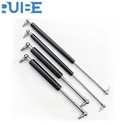
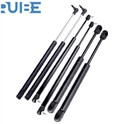
The key components of a tailgate gas spring include a cylinder, piston, rod, and gas chamber. The cylinder houses the piston and rod, which are connected to the tailgate and vehicle body, respectively. The gas chamber is filled with nitrogen gas, which provides the necessary force to counteract the weight of the tailgate. When the tailgate is opened or closed, the piston moves within the cylinder, compressing or expanding the gas and adjusting the force exerted by the spring.
Can a Tailgate Gas Spring Be Used on a Liftgate?
The short answer is yes, in many cases, a tailgate gas spring can be used on a liftgate. However, several factors need to be considered to ensure a proper fit and optimal performance.


Load Capacity
One of the most critical factors to consider is the load capacity of the gas spring. Liftgates can vary significantly in weight depending on their size, construction, and the type of equipment they are designed to support. It is essential to select a tailgate gas spring with a load capacity that matches or exceeds the weight of the liftgate. Failure to do so can result in inadequate support, premature wear, and potential safety hazards.
Mounting Configuration
Another important consideration is the mounting configuration of the gas spring. Tailgate gas springs are typically designed to be mounted in a specific orientation and location on the tailgate and vehicle body. Liftgates may have different mounting requirements, such as different mounting points, angles, or distances. It is crucial to ensure that the gas spring can be properly installed on the liftgate without any modifications or adaptations.
Stroke Length
The stroke length of the gas spring refers to the maximum distance the piston can travel within the cylinder. This parameter is important because it determines the range of motion of the liftgate. The stroke length of the gas spring should be sufficient to allow for full opening and closing of the liftgate without any restrictions. If the stroke length is too short, the liftgate may not open or close fully, while a stroke length that is too long can cause the gas spring to bottom out or overextend, leading to damage.
Damping Characteristics
Damping is the ability of the gas spring to control the speed and smoothness of the motion. Liftgates may require different damping characteristics depending on their intended use and the frequency of operation. For example, a liftgate that is used frequently may require a gas spring with higher damping to prevent excessive bouncing or oscillation. It is important to select a tailgate gas spring with damping characteristics that are suitable for the specific requirements of the liftgate.
Advantages of Using Tailgate Gas Springs on Liftgates
There are several advantages to using tailgate gas springs on liftgates:
Cost-Effective Solution
Tailgate gas springs are generally more cost-effective than specialized liftgate gas springs. Since they are mass-produced for tailgate applications, they are often available at a lower price point. This can result in significant cost savings, especially for applications where multiple gas springs are required.
Wide Availability
Tailgate gas springs are widely available from a variety of suppliers. This makes it easier to source the required components and reduces the lead time for procurement. In addition, the availability of a wide range of sizes and load capacities allows for greater flexibility in design and installation.
Proven Performance
Tailgate gas springs have been extensively tested and proven to provide reliable performance in tailgate applications. Their design and construction are optimized to withstand the rigors of daily use, including exposure to harsh environmental conditions. By using tailgate gas springs on liftgates, you can benefit from their proven track record of performance and durability.
Potential Limitations
While there are many advantages to using tailgate gas springs on liftgates, there are also some potential limitations that need to be considered:
Customization Requirements
In some cases, liftgates may have unique design requirements that cannot be met by standard tailgate gas springs. This may require custom modifications or adaptations to the gas spring, which can increase the cost and lead time for procurement.
Compatibility Issues
As mentioned earlier, liftgates may have different mounting configurations and operating requirements than tailgates. It is important to ensure that the tailgate gas spring is compatible with the liftgate before installation. In some cases, additional hardware or modifications may be required to ensure a proper fit and optimal performance.
Safety Considerations
Liftgates are often used to lift and transport heavy loads, which can pose significant safety risks if not properly supported. It is essential to ensure that the tailgate gas spring is capable of providing the necessary support and stability to prevent accidents or injuries. This may require additional safety features, such as locking mechanisms or overload protection.
Conclusion
In conclusion, a tailgate gas spring can be used on a liftgate in many cases, provided that the load capacity, mounting configuration, stroke length, and damping characteristics are carefully considered. While there are some potential limitations, the cost-effectiveness, wide availability, and proven performance of tailgate gas springs make them a viable option for many liftgate applications.
If you are considering using tailgate gas springs on your liftgate, I encourage you to consult with a qualified engineer or technician to ensure a proper fit and optimal performance. As a supplier of [Tailgate Gas Spring], I am committed to providing high-quality products and expert advice to help you select the right gas spring for your specific application.
If you have any questions or would like to discuss your liftgate gas spring requirements further, please feel free to [Contact Us]. We look forward to working with you to find the best solution for your needs.
References
- "Gas Spring Basics," [Company Name], accessed [Date].
- "Liftgate Design and Installation Guide," [Company Name], accessed [Date].
- "Tailgate Gas Spring Selection Guide," [Company Name], accessed [Date].
For more information on our gas spring products, you can visit the following links: